
An inclusive event entertainment checklist is a strategic planning guide that ensures every attendee feels welcome, engaged, and accommodated through diverse, accessible, and thoughtful entertainment choices. Event professionals who apply this framework, also known in the industry as an accessible event planning guide, consistently produce events that resonate across cultural, linguistic, and ability differences. Standards such as the Americans with Disabilities Act (ADA) and Canada’s Accessible Canada Act set the legal floor, but the most prestigious events go well beyond compliance. This checklist covers every critical element, from booking timelines to cultural programming, so you can deliver an experience worthy of every guest in the room.
1. Start with the right booking timeline
Booking timelines for inclusive entertainment should begin 6–12 months before corporate and wedding events, with deposits of 30–50% secured by 4–6 months out to confirm contracts. That lead time is not a formality. It gives you the space to vet vendors for accessibility credentials, negotiate rider specifications, and confirm technical requirements without pressure.
Early booking also protects your budget. Acts that offer sign language interpretation, captioning, or sensory-friendly formats are in high demand and book quickly. Waiting until three months out often means settling for whoever is available, not whoever is right for your audience.

Use your wedding reception timeline or corporate event schedule as the anchor document. Map every entertainment booking milestone against it so nothing slips.
Pro Tip: Send your inclusivity requirements to vendors in writing at the first inquiry stage, not after a contract is signed. This filters out acts that cannot meet your standards before you invest time in negotiations.
2. Codify accessibility requirements in every contract
Entertainment vendor contracts must codify requirements for sign language interpretation, captioning, and accessible digital materials to prevent last-minute surprises and budget shortfalls. A verbal agreement means nothing when an act arrives unprepared on event day.
Your contract rider should specify the following as non-negotiable deliverables:
- Sign language interpretation or real-time captioning for all spoken or performed content
- Visual descriptions for any visual-only elements, such as light shows or digital art
- Accessible stage and performance area pathways meeting ADA or Accessible Canada Act standards
- Multi-language support for printed or digital materials distributed during the performance
- Sensory-friendly alternatives, such as reduced volume options or low-stimulation zones nearby
Every one of these items should carry a penalty clause if the vendor fails to deliver. That clause is not adversarial. It is the clearest signal to your vendor that these requirements carry the same weight as sound equipment and lighting.
Pro Tip: Request a pre-event accessibility walkthrough with your entertainment vendor at least two weeks before the event. Problems discovered then cost far less to fix than problems discovered during setup.
3. Appoint an accessibility lead with real authority
Assigning an accessibility lead with authority over vendor and production choices is the single most effective structural change you can make to your planning process. This person is not a note-taker. They hold veto power over any entertainment decision that conflicts with your accessibility commitments.
Accessibility is a continuous process, not a final checklist item. That distinction matters because most accessibility failures happen incrementally, through small decisions made by different team members who each assume someone else is handling it. A designated lead closes that gap.
The accessibility lead should attend every vendor meeting, review every technical rider, and sign off on the final stage layout. Their role extends to the day of the event, where they serve as the point of contact for any attendee who needs accommodation support.
4. Build diverse entertainment options into your programme
Visual, interactive, and immersive entertainment formats appeal broadly and help overcome language and cultural barriers, making them ideal for diverse audiences. The most effective multicultural event entertainment programmes combine several format types to reach every segment of your guest list.
Consider the following categories when building your entertainment programme:
- Visual and immersive formats: LED dance shows, digital art installations, and projection mapping require no shared language and engage guests across age and ability groups
- Interactive installations: VR experiences, participatory art stations, and live polling games give guests agency and reduce the passive-observer dynamic that excludes many attendees
- Cultural showcases: Acts that reflect the demographics of your guest list, such as traditional music, dance, or storytelling from represented communities, signal genuine respect
- Hybrid and tech-enabled formats: Live-streamed performances and remote participation tools extend inclusion to attendees who cannot be physically present
| Format type | Accessibility strength | Best suited for |
|---|---|---|
| LED and visual shows | No language barrier, low cognitive load | Large mixed-audience galas |
| Interactive installations | Participatory, adaptable to mobility needs | Corporate and community events |
| Cultural showcases | Reflects guest identity, builds belonging | Multicultural weddings and celebrations |
| Hybrid streaming | Includes remote and mobility-limited guests | Conferences and corporate gatherings |
Booking entertainment acts that mirror guest demographics is not an afterthought. It is core to enhancing the event experience and your brand’s authenticity. Dj-phoenix, for example, curates playlists that span multicultural musical traditions, reading the room in real time to maintain energy across a diverse crowd.
5. Integrate sensory-friendly features into your entertainment design
Inclusive entertainment strategy in 2026 mandates integrating sensory-friendly alternatives, sign language interpretation, and multi-language options into vendor briefs from the outset. Sensory considerations are among the most frequently overlooked elements in event planning, yet they affect a significant portion of every audience.
Sensory-friendly design in entertainment includes:
- Designated low-stimulation zones adjacent to the main entertainment area, with reduced sound and lighting
- Advance notice to attendees about strobe effects, fog machines, or high-volume segments
- Captioning displayed on screens visible from accessible seating positions
- Quiet hours or scheduled breaks in programming for guests who need recovery time
These features do not diminish the experience for other guests. They expand participation. An event where every guest can engage fully is an event that generates stronger word-of-mouth and repeat attendance.
6. Embed accessibility into your registration process
Accessibility planning must be incorporated into the registration process so attendees can specify sensory, mobility, or communication needs early. Early accommodation requests prevent on-site failures that are expensive, stressful, and damaging to your reputation.
Your registration form should include dedicated fields for:
- Mobility accommodation requests, such as wheelchair access or reserved seating near exits
- Sensory preferences, including sensitivity to sound, light, or scent
- Communication needs, such as sign language interpretation or large-print materials
- Dietary requirements linked to catering, which affect how long guests can comfortably remain in the entertainment space
- Language preferences for any printed or digital event materials
Collecting this data early also informs your entertainment vendor briefs. If your registration data shows a significant portion of attendees have hearing impairments, that finding should trigger a captioning requirement in every performance contract.
7. Communicate venue accessibility details before the event
Sharing venue accessibility maps and sensory environment details on registration pages builds attendee trust and helps guests plan their participation effectively. Transparency on light levels, sound intensity, and scent effects is not a minor courtesy. It is what separates a professionally planned event from one that merely hopes for the best.
Pre-event communications should include:
- A venue accessibility map showing entrances, lifts, accessible restrooms, and quiet zones
- A plain-language description of the entertainment programme, including any high-stimulation segments
- Contact details for the accessibility lead, so attendees can ask questions before arriving
- A clear statement of what accommodations are available and, equally, what limitations exist
Using attendee data such as sensory preferences to design the entire event flow, with transparency on limitations, builds the kind of guest confidence that translates into full participation. Guests who know what to expect arrive prepared, not anxious.
Key takeaways
An inclusive event entertainment checklist succeeds when accessibility is built into every planning stage, from booking timelines and vendor contracts to registration forms and pre-event communications.
| Point | Details |
|---|---|
| Book early with intent | Start entertainment bookings 6–12 months out and confirm accessibility requirements in writing at first contact. |
| Codify accessibility in contracts | Include sign language, captioning, and pathway requirements as contractual deliverables with penalty clauses. |
| Appoint an accessibility lead | Give one person veto authority over all entertainment decisions that affect accessibility. |
| Diversify your entertainment formats | Combine visual, interactive, cultural, and hybrid formats to reach every segment of your audience. |
| Communicate before the event | Share venue maps, sensory details, and accommodation contacts with attendees before they arrive. |
What I’ve learned about inclusive entertainment planning
The most common mistake I see event planners make is treating inclusivity as a final review step rather than a foundational design principle. By the time you are three weeks from your event date, the decisions that determine whether every guest can participate have already been made. The entertainment acts are booked, the stage is designed, and the registration window has closed.
Accessibility is an ongoing, iterative process. Retrofitting it late in planning almost always fails. The planners who consistently produce genuinely inclusive events are the ones who ask the accessibility question first, not last. They brief vendors on sensory requirements before discussing set lists. They review stage layouts for wheelchair access before approving lighting rigs.
The other insight I would offer is this: diverse entertainment booking is not a gesture. When you book acts that reflect your guests’ cultural backgrounds and lived experiences, you change the emotional register of the entire event. Guests move from feeling tolerated to feeling celebrated. That shift is the difference between an event people attend and one they remember.
— Reza
Dj-phoenix and inclusive event entertainment
Planning an event where every guest feels genuinely included requires more than good intentions. It requires an entertainment partner with the artistry and experience to read a diverse crowd and respond in real time.
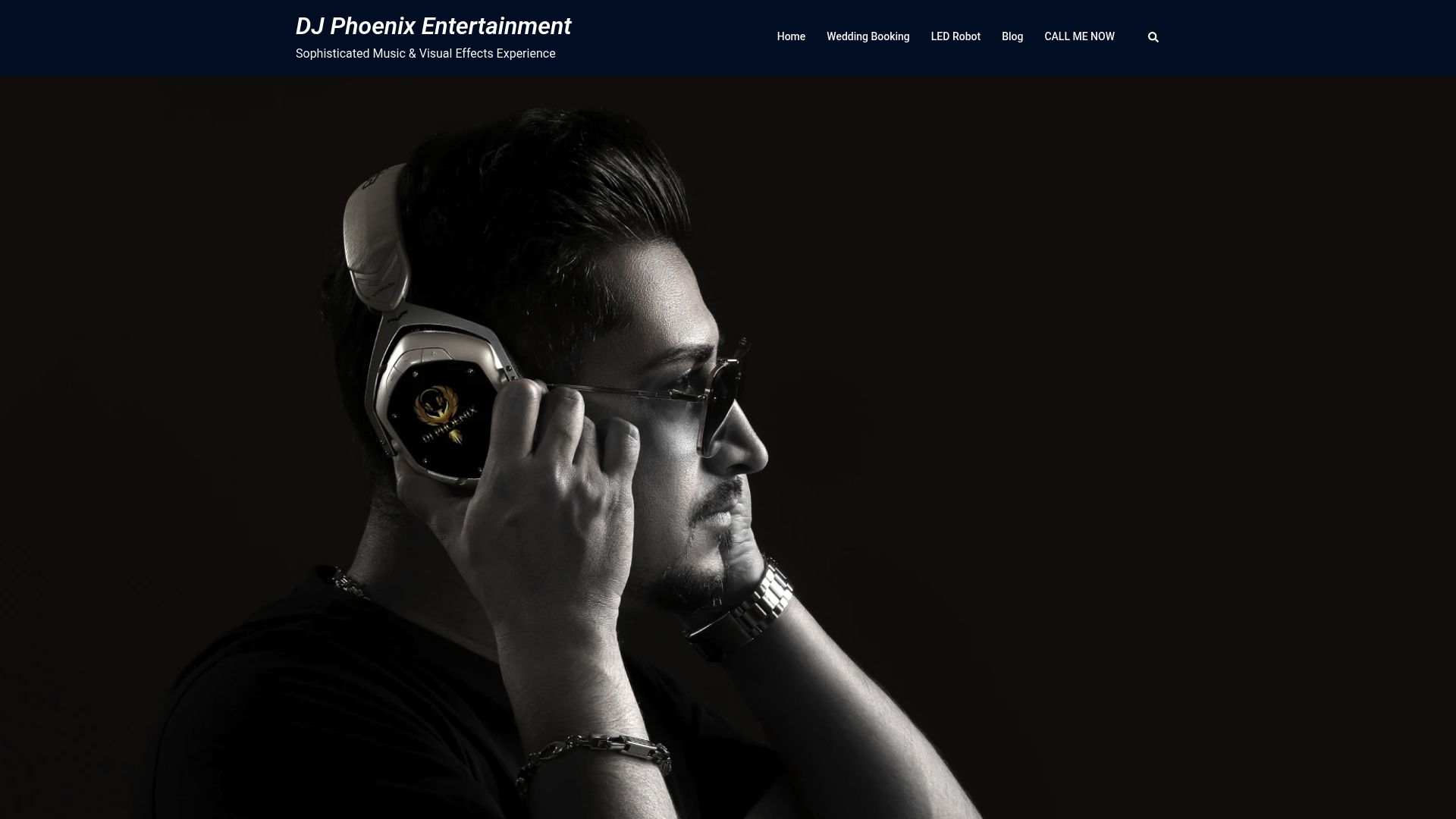
Dj-phoenix brings that calibre of expertise to every engagement, from corporate galas for clients like Mercedes-Benz to multicultural weddings and private celebrations. His curated playlists span cultural traditions and musical genres, creating a high-energy atmosphere that resonates across languages, ages, and backgrounds. Whether you are planning a large corporate event or an intimate celebration, Dj-phoenix’s corporate DJ services and event organiser resources are built to support your inclusivity goals from the first planning call to the final song.
FAQ
What is an inclusive event entertainment checklist?
An inclusive event entertainment checklist is a structured planning guide that ensures entertainment choices meet accessibility, cultural diversity, and sensory accommodation standards for all attendees. It covers booking timelines, vendor contracts, registration processes, and pre-event communications.
How far in advance should I book inclusive entertainment?
Book entertainment 6–12 months before corporate or wedding events, with deposits of 30–50% confirmed by 4–6 months out. This timeline allows you to vet vendors for accessibility credentials and negotiate detailed rider specifications.
What accessibility features should entertainment vendors provide?
Vendors should provide sign language interpretation or real-time captioning, accessible stage pathways, sensory-friendly alternatives, and multi-language support for any distributed materials. These requirements must appear in the performance contract, not just in verbal agreements.
How do I collect accessibility needs from attendees?
Include dedicated fields in your registration form for mobility, sensory, and communication accommodation requests. Early accommodation data prevents on-site failures and directly informs your entertainment vendor briefs.
What entertainment formats work best for diverse audiences?
Visual and immersive formats such as LED shows, digital art, and cultural showcases work well because they require no shared language and engage guests across ability groups. Hybrid streaming options extend participation to remote or mobility-limited attendees.