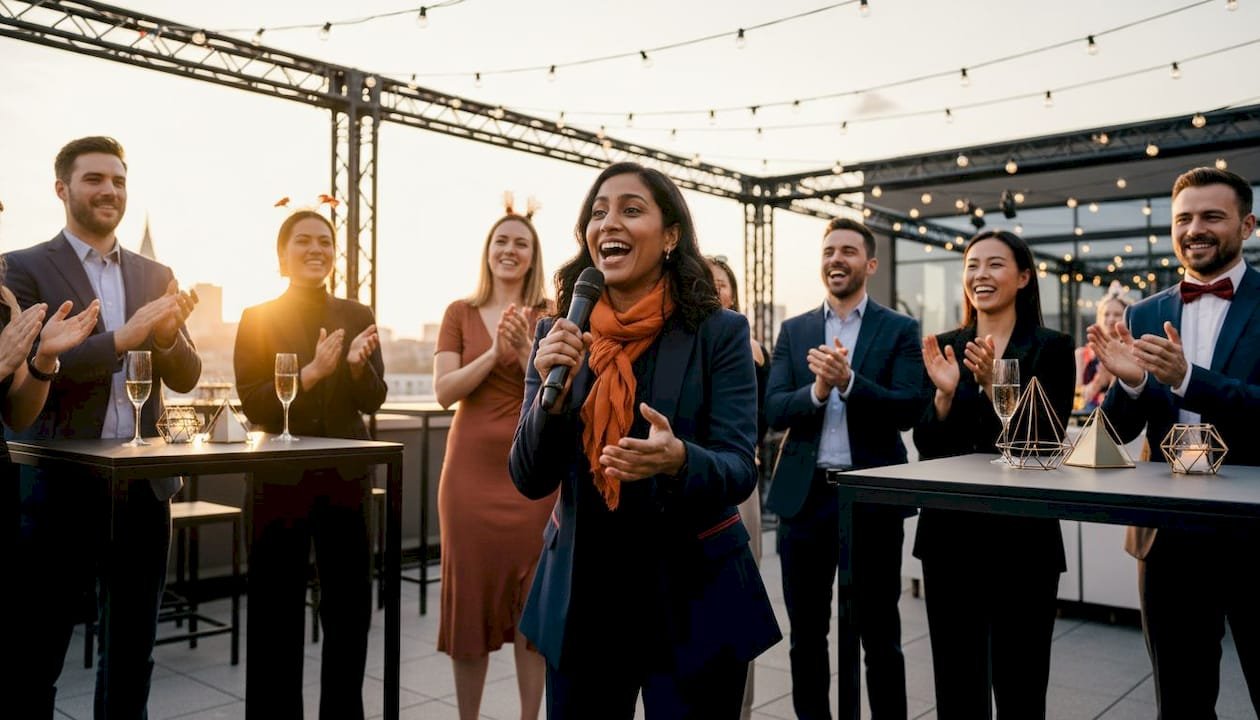
Audience engagement at corporate parties is defined as the active, measurable participation of guests in entertainment, activities, and social interactions throughout an event. The industry term for this discipline is attendee experience design, and it goes well beyond filling a room with people. Active participation formats like live polling, gamification, and AI photo experiences drive substantially higher guest satisfaction than passive observation. Corporate event planners who treat engagement as an architectural element of their programme, rather than an afterthought, consistently produce events that guests remember and talk about long after the evening ends.
What key strategies combine live entertainment and interactive activities for effective engagement?
The most effective approach to corporate event attendee interaction layers live entertainment with participatory elements rather than choosing one over the other. Live entertainment, whether a DJ, band, or MC, sets the tone and controls the pacing of the evening. Interactive activities, such as casino tables, digital photo booths, or trivia games, give guests something to do during natural lulls. Combining both formats balances professional polish with organic networking and social interaction.
A layered strategy works in three stages:
- Arrival and pre-programme. Deploy roaming performers, close-up magicians, or a DJ set during the first 30 minutes. Passive arrival moments are prime windows for organic engagement, because guests are still forming social connections and welcome a natural conversation starter.
- Main programme. Anchor the evening with a live DJ or MC who reads the room and adjusts energy levels in real time. Weave in structured interactive moments, such as a live trivia round or a branded photo experience, at 45-minute intervals to maintain momentum.
- Wind-down. Shift to lower-energy activities like a social wall display or a curated playlist that encourages guests to linger and connect.
Pro Tip: Time your interactive elements to coincide with natural transitions in the programme, such as after dinner service or between speaker segments. Guests are most receptive to participation when they are not already focused on something else.
The pedigree of your entertainment provider matters here. Dj-phoenix has built his reputation on reading crowd energy and transitioning between musical styles with artistry, serving prestigious clients like Mercedes-Benz and FW Sports. That calibre of crowd awareness is what separates a memorable corporate party from a forgettable one.
Which interactive technologies best enhance corporate party engagement?
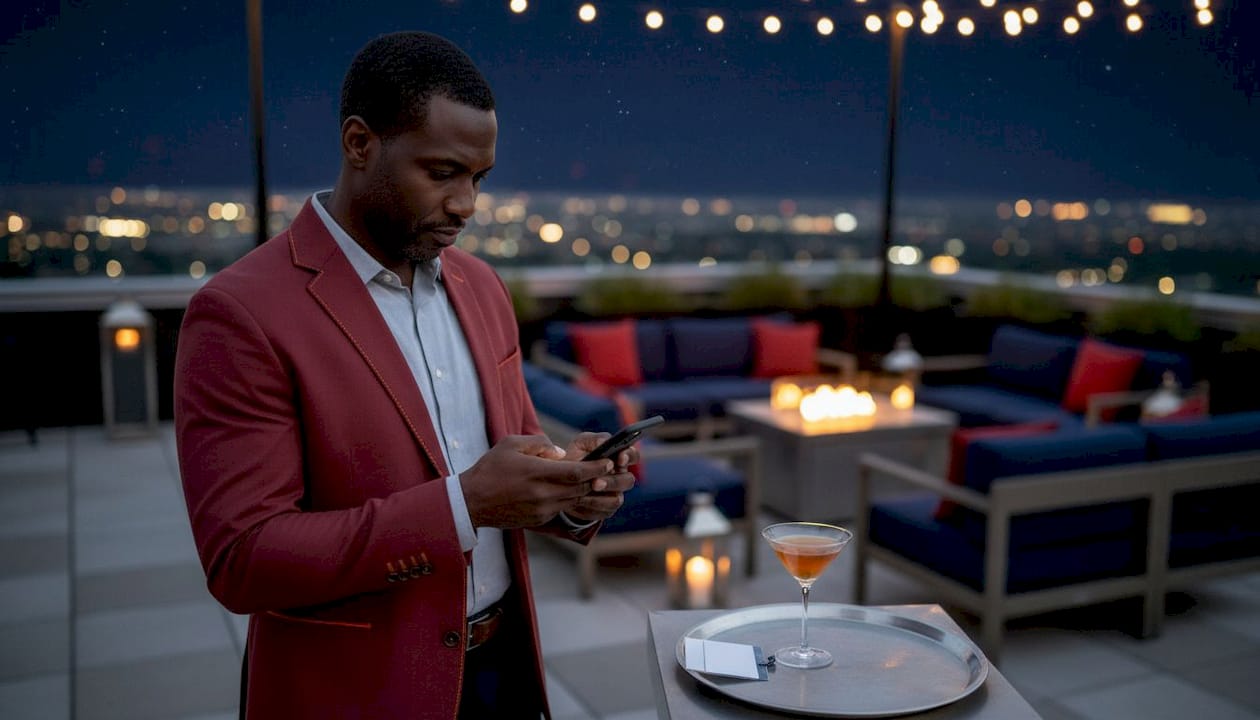
Technology is now a primary driver of guest participation at corporate events. The most widely adopted tools include RFID and NFC badges, event apps, social walls, AI photo booths, and VR experiences. Each serves a distinct purpose, and the best planners combine several into a unified system.
| Technology | Primary function | Engagement benefit |
|---|---|---|
| RFID/NFC badges | Session tracking and networking | Measures interaction frequency and dwell time |
| Event apps | Polling, gamification, and schedules | Consolidates all digital touchpoints in one place |
| Social walls | Live social media aggregation | Encourages voluntary content sharing and brand reach |
| AI photo booths | Branded image generation | Creates shareable, personalised keepsakes |
| VR experiences | Immersive brand storytelling | Delivers memorable, high-impact moments |
Event apps that consolidate polling, gamification, and social walls into a single platform prevent “channel sprawl,” the costly fragmentation that occurs when guests must switch between multiple tools. A unified app also gives planners real-time engagement data, which is far more useful than post-event surveys alone.
Gamification mechanics such as challenges, leaderboards, and rewards tied to event goals drive participation rates of 60–80%, compared to 10–20% for passive formats. That gap is significant. It means a well-designed gamification layer can turn a room of observers into an active, competitive, and socially connected group within minutes.
AI-generated photo outputs shared voluntarily by attendees on platforms like LinkedIn extend your event’s reach without any paid promotion. This is organic brand amplification at its most efficient.
How to design fun activities that boost guest participation
Choosing the right activities requires matching the format to your audience’s size, industry, and event goals. A financial services firm of 200 guests has different social norms than a creative agency of 40. The activity design must respect those differences.
Follow these steps when planning your activity programme:
- Audit your audience. Identify the age range, cultural mix, and professional background of your guest list. Dj-phoenix’s expertise in multicultural event entertainment illustrates why this step is non-negotiable. A playlist or activity that resonates with one cultural group may alienate another.
- Set a participation goal. Decide whether you want broad, light-touch participation (a social wall) or deep, competitive engagement (a trivia league). Each requires a different level of commitment from guests.
- Select activities by energy level. Mix high-energy formats like scavenger hunts or dance-offs with lower-energy options like live polling or an AI photo booth. This gives introverted guests a comfortable entry point.
- Brief your entertainment team. Share the event goals, the audience profile, and the programme timeline with every performer and facilitator before the event. Professionals who understand the context deliver far better results.
- Design for voluntary participation. The best practices for engaging guests always prioritise choice. Guests who feel coerced disengage entirely. Frame every activity as an invitation, not an obligation.
Popular activity formats that consistently deliver results include live polling during keynote segments, branded trivia games tied to company milestones, scavenger hunts using event app QR codes, and AI photo booths with custom branded overlays. For guidance on designing a corporate event that blends these elements effectively, the planning principles remain consistent regardless of venue size.
Customised experiences that adapt to company culture and audience energy produce higher guest enjoyment and more memorable events. This is not a subjective observation. It is the defining difference between events that generate post-event conversation and those that do not.
How to measure and improve engagement at your corporate party
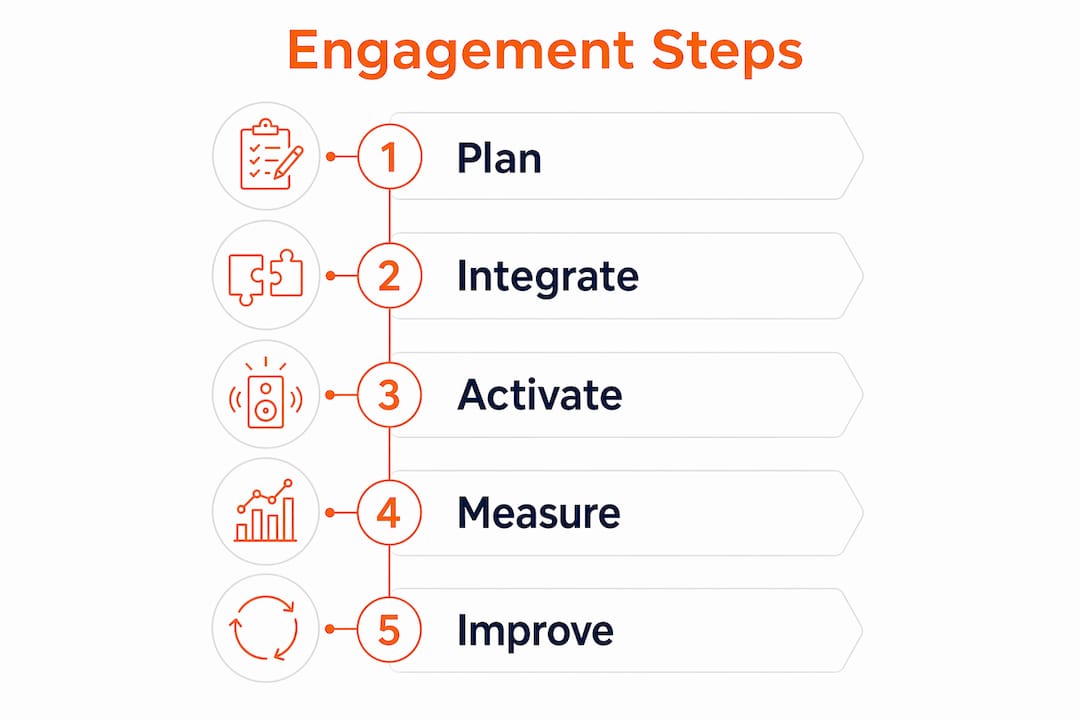
Measuring guest participation requires tracking metrics beyond attendance numbers. The most useful indicators are interaction rates, session feedback scores, social sharing volume, leaderboard participation, and networking frequency.
Key metrics to track before, during, and after your event:
- Interaction rate. The percentage of guests who actively use the event app, vote in polls, or participate in gamification challenges.
- Session feedback scores. Collected in real time via the event app, these reveal which segments of the programme are landing and which are losing the room.
- Social sharing volume. The number of posts, stories, or shares generated by guests during the event. This metric captures organic reach and brand sentiment simultaneously.
- Networking frequency. RFID and NFC badge data can show how many unique connections each guest makes. High networking frequency correlates with higher overall satisfaction.
- Leaderboard participation. In gamified events, the percentage of guests who engage with the leaderboard indicates the depth of competitive involvement.
Real-time feedback loops during events allow planners to make on-the-fly adjustments, turning engagement into a continuous cycle rather than a one-time effort. If a polling segment is drawing low response rates, a skilled MC or DJ can pivot the energy within minutes.
Pro Tip: Collect feedback during the event, not just after it. A short in-app pulse survey at the midpoint of your programme gives you time to act on the results before the evening ends.
High-performing events embed engagement into the event architecture from the beginning, making participation feel natural for guests and measurable for planners. The technology layer, the entertainment layer, and the activity layer must all feed into a single data picture. That picture tells you what worked, what did not, and what to refine for your next event.
Key takeaways
Audience engagement at corporate parties succeeds when live entertainment, interactive technology, and purposefully designed activities are integrated from the start of the event programme.
| Point | Details |
|---|---|
| Layer your strategy | Combine live entertainment with interactive activities at timed intervals throughout the programme. |
| Use a unified tech platform | Consolidate polling, gamification, and social walls into one event app to prevent channel sprawl. |
| Design for voluntary participation | Frame every activity as an invitation; guests who feel coerced disengage completely. |
| Measure in real time | Track interaction rates and session feedback during the event so you can adjust before it ends. |
| Match activities to your audience | Audit the cultural mix, industry, and energy level of your guest list before selecting any activity format. |
What I have learned about engagement that most planners overlook
After years of performing at corporate events for clients ranging from intimate executive gatherings to large-scale brand celebrations, I have come to one firm conclusion: the room tells you everything, if you are willing to listen.
Most planners spend considerable effort designing the programme on paper and far less time preparing their entertainment team to read and respond to the room in real time. That is where events lose their energy. A perfectly timed trivia segment falls flat when the DJ has not been briefed on the audience’s cultural background. A social wall generates no content when guests have not been given a reason to post.
Engagement should never feel forced. The most memorable corporate parties I have been part of were the ones where participation felt like a natural extension of the evening, not a scheduled obligation. That quality comes from entertainment professionals who adapt their artistry to the specific culture and energy of each room. It cannot be templated. It requires genuine attentiveness and the confidence to deviate from the plan when the moment calls for it.
The planners I respect most treat their entertainment provider as a strategic partner, not a vendor. They share the audience profile, the company culture, and the event goals well in advance. That dialogue is what produces the synergy between entertainment and interaction that guests feel but rarely articulate. They just know the night was exceptional.
— Reza
Dj-phoenix: corporate party entertainment built for real engagement
Dj-phoenix brings the calibre of crowd-reading artistry and multicultural playlist expertise that corporate events demand. His work with prestigious clients like Mercedes-Benz and FW Sports reflects a commitment to sophisticated, high-energy experiences that keep guests active and connected throughout the evening.
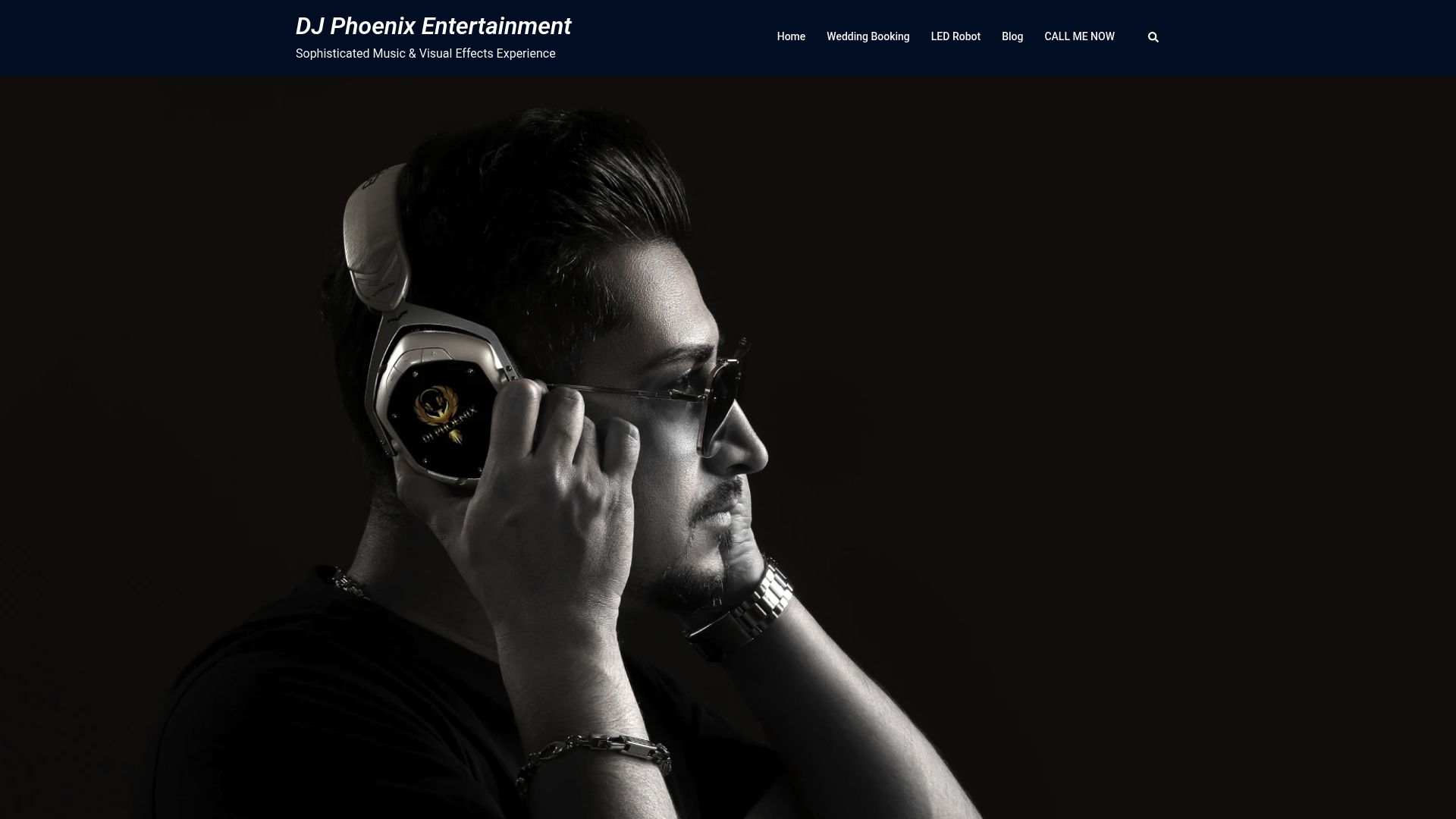
For planners seeking entertainment that integrates naturally with interactive activities and event technology, Dj-phoenix’s corporate event DJ services offer a proven foundation. His ability to transition between musical styles and adapt to diverse audiences makes him a natural fit for the layered engagement strategies outlined here. Browse the DJ performance gallery to see the energy and artistry he brings to corporate events of every scale and culture.
FAQ
What is audience engagement at a corporate party?
Audience engagement at a corporate party refers to the active participation of guests in entertainment, activities, and social interactions during the event. It is measured through interaction rates, social sharing, and session feedback rather than attendance alone.
What are the most effective fun activities for corporate parties?
Live polling, branded trivia games, AI photo booths, and scavenger hunts consistently produce high guest participation. The best activity matches the audience’s cultural mix, industry, and energy level.
How does gamification improve guest participation?
Gamification mechanics like leaderboards, challenges, and rewards drive participation rates of 60–80%, compared to 10–20% for passive formats. Tying game mechanics to event goals increases both involvement and social sharing.
What technology should planners use to measure engagement?
RFID and NFC badges track networking frequency and session dwell time, while event apps consolidate polling and gamification data. Unified platforms prevent channel sprawl and provide comprehensive post-event analytics.
How do you energize a corporate event without forcing participation?
Frame every activity as an invitation and deploy roaming performers during arrival and transition moments. Professional entertainers who read room energy create organic participation without formal announcements or pressure.