Keep background music calm to medium energy and quiet enough that conversation stays effortless, roughly at a level you can still talk over from across the table. Shift tempo and familiarity gently at each course change rather than between random tracks, and always prepare more music than you think the evening will need.
TL;DR:
- Keep most tracks between 70 and 110 BPM; familiar, fully produced songs with prominent vocals can make speech harder to understand.
- Build separate blocks for arrival, appetizers, the main course, dessert, and lingering, then change energy when dishes arrive or are cleared.
- Keep sound below roughly 60 dBA, test it from the farthest seat, and offer guests with hearing difficulty a quieter seat or lower volume further.
- A two and a half hour dinner needs 45 to 60 songs; load an extra course playlist, use a short crossfade, and disable autoplay.
Table of Contents
- What makes good dinner music: tempo, lyrics and arrangement
- How to pace music across courses, from arrival to dessert
- What research says about tempo, speech and safe volume levels
- Playlist length and song-count templates that actually work
- Common mistakes hosts make with dinner music
- Reza’s practical blueprint: a two-hour dinner run-through
- Hire a pro: what a DJ brings to dinner pacing
- FAQ
- Sources
What makes good dinner music: tempo, lyrics and arrangement
The songs that work best at a dinner table share a few traits: moderate tempo, sparse arrangement and lyrics that stay in the background rather than demanding attention. Full, familiar songs with prominent vocals pull focus away from conversation more than instrumentals or sparsely arranged tracks do, which is why speech-recognition research found that listeners understand speech less accurately when a familiar, fully produced song plays underneath it.
For most of the meal, aim for tracks in a relaxed 70 to 110 BPM range. Energy in that zone reads as warm and unhurried without tipping into something that feels like background noise in a waiting room. Faster, denser tracks suit arrival and dessert, while anything resembling a sing-along belongs later in the night, once plates are cleared and attention naturally shifts.
Genres that consistently hold up well through a meal include light jazz, bossa nova, acoustic folk and mellow indie. A few easy swap-ins when building your own list:
- Instrumental jazz or piano trios for low-key stretches
- Mellow indie or singer-songwriter tracks with soft vocal mixing
- Light bossa nova or acoustic Brazilian sets for a warm, unobtrusive feel
How to pace music across courses, from arrival to dessert
Treat the meal as a sequence of energy shifts tied to service, not to song length. A practical five-step flow:
- Arrival: play slightly brighter, welcoming tracks as guests settle in and find seats, giving the room a pulse without competing with greetings.
- Appetizers: ease the tempo down and favour instrumentals or tracks with lighter vocals so early conversation has room to breathe.
- Main course: hold the volume low and the arrangement sparse, protecting speech intelligibility during the longest, most conversation-heavy stretch of the night.
- Dessert: nudge the energy and familiarity back up a notch, since attention naturally loosens once the main plates are cleared.
- Linger or dancing: if guests are staying on, raise tempo and familiarity further, moving toward tracks people recognize and want to move to.
Make these shifts when the server clears a course or brings out the next dish, not mid-song or at an arbitrary track boundary. That keeps the transition tied to something guests already notice, so the music change feels natural rather than jarring.
Pro Tip: Build five short playlists, one per course, instead of one long mix. That way you control exactly when the energy shifts instead of hoping shuffle gets the timing right.
What research says about tempo, speech and safe volume levels
Tempo and volume aren’t just atmosphere choices, they measurably change how long people stay at the table and how easily they can hear each other.
Slow-tempo music led restaurant patrons to spend the most time dining, significantly longer than patrons experiencing faster-tempo music, with no meaningful difference in bill size between groups.
A 2024 field experiment
That gap matters for hosts: a slower playlist can stretch a dinner comfortably past an hour without anyone feeling rushed, and without any guaranteed change in what guests spend if you’re running a paid event.
On the volume side: acoustic research on crowded spaces notes that normal-hearing listeners generally communicate without strain below roughly 60 dBA, and intelligibility drops as ambient noise climbs above that. The practical test is simple: play your planned mix at your planned volume, sit in the chair farthest from the speaker, and see if you can hold a normal conversation without raising your voice. Hard-surfaced rooms amplify this problem, so a quick check matters even more in a space with bare floors and few soft furnishings. For a guest who mentions hearing difficulty, lowering volume further or shifting them closer to the quietest zone of the room is a simple accommodation.

Playlist length and song-count templates that actually work
Plan for more songs than the meal strictly needs. A useful baseline from curated dinner-party examples suggests roughly 15 songs for a one-hour stretch, and practical DJ-style templates for pacing a dinner generally land around 15 to 25 songs per hour depending on average track length. A two-and-a-half-hour dinner, including arrival and lingering, comfortably needs 45 to 60 songs in total so you’re never caught refreshing a playlist mid-course.
A few setup basics that make a real difference:
- Load at least one extra course-length playlist as backup in case the evening runs long
- Use a gentle crossfade of a few seconds between tracks so transitions don’t feel like a radio switch
- Set streaming apps to disable autoplay suggestions, which can jump tempo without warning
Our wedding dinner music blueprint walks through exact song counts by course if you want a ready-made structure instead of building one from scratch. For anyone leaning toward hiring help rather than running playback themselves, a short guide to choosing the right DJ covers what to ask before booking.
Common mistakes hosts make with dinner music
Most dinner-music problems come down to timing and volume, not song choice. The usual culprits:
- Sudden volume spikes: a phone or speaker app jumping between tracks at wildly different loudness levels, which yanks attention away from the table.
- Familiar sing-alongs too early: dropping a crowd-favourite track during the main course pulls focus exactly when conversation should be easiest.
- Abrupt track changes: silence or a hard cut between songs breaks the room’s rhythm more than almost anything else.
The fixes are straightforward: build segmented playlists by course rather than one long shuffle, use a short crossfade between tracks, and angle speakers away from the table rather than pointing straight at it, which softens direct volume without losing ambiance.
Reza’s practical blueprint: a two-hour dinner run-through
For a two-hour dinner, I usually build five short blocks: twelve brighter songs for arrival, fifteen mellow instrumentals through appetizers, eighteen sparse tracks for the main course, ten slightly warmer songs for dessert, and a flexible backup block of fifteen for anyone lingering.
Before guests arrive, I run a quick checklist: test volume from the farthest seat, confirm crossfades run three to five seconds, and load a spare playlist in case the night runs long. Our transition techniques for events cover the mechanics behind those smooth course shifts in more detail.
— Reza
Hire a pro: what a DJ brings to dinner pacing
Running this ourselves is how we built every template in this guide: reading the room, adjusting volume in real time, and shifting tempo the moment a course changes instead of waiting for a track to end. That’s the gap a hired DJ fills when a host would rather enjoy the dinner than manage a laptop.
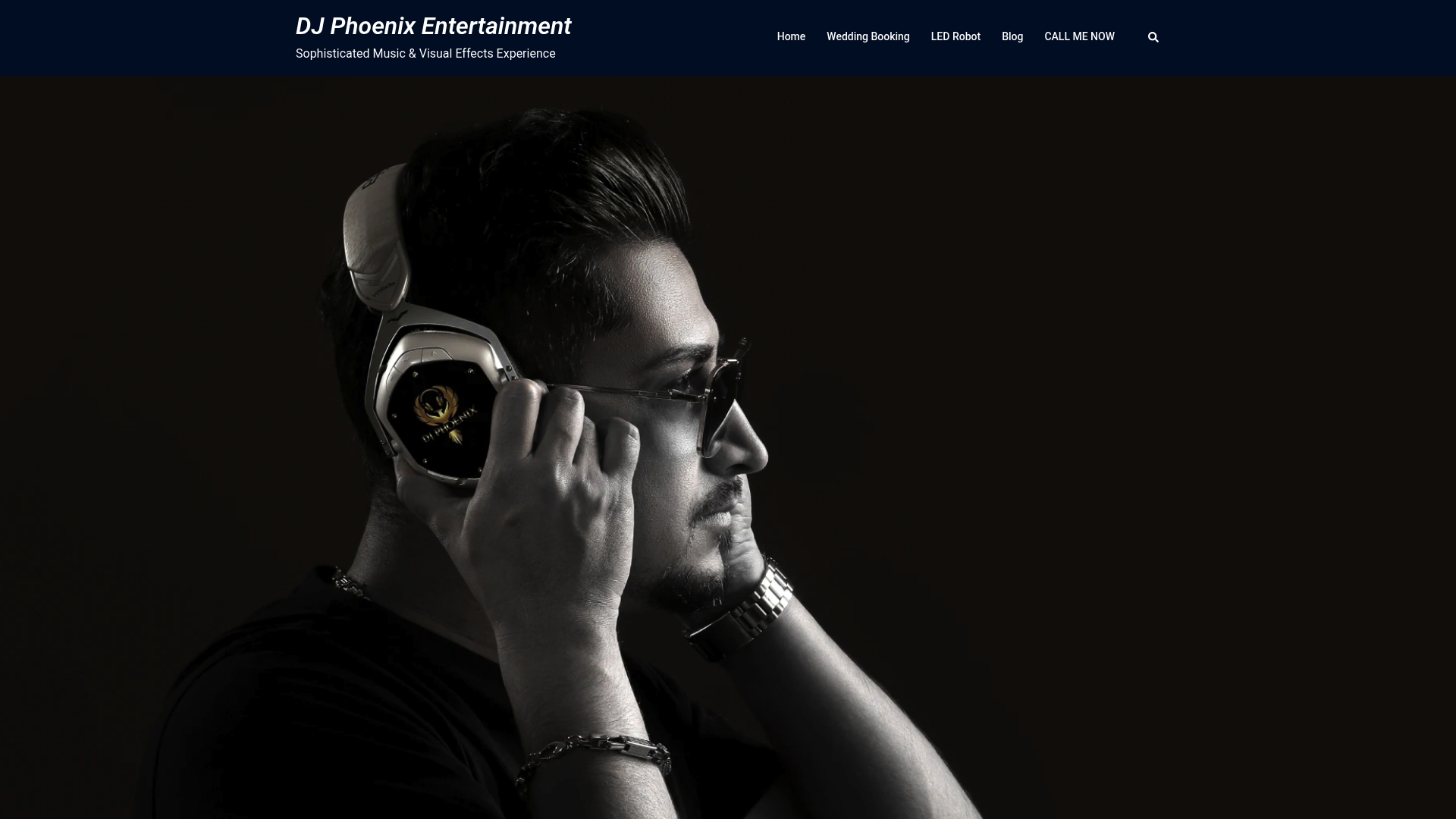
When we handle dinner pacing for a wedding or private event, we’re:
- Watching volume continuously and adjusting as the room fills or empties
- Timing tempo shifts to course service rather than song length
- Keeping a deep backup library ready so the night never runs short on music
If you’re planning a wedding dinner, our Gold, Silver and Bronze packages cover full-evening music production. Current prices are available on the pricing page. For private dinners and parties, our party packages add extras like an MC or drum player on top of the core DJ service. Reach out through either page to check availability for your date.
FAQ
What is nice dinner music?
Good dinner music sits in a calm to medium energy range, around 70 to 110 BPM, with sparse arrangements and lyrics that stay in the background rather than demanding attention. Light jazz, bossa nova, acoustic folk and mellow indie tracks tend to work well because they support conversation instead of competing with it.
Is it healthy to listen to music while eating?
There’s no established health risk to playing music during meals at comfortable, conversational volume. The main practical concern is intelligibility: research on background noise shows that normal-hearing listeners generally communicate without strain below roughly 60 dBA, so keeping music under that threshold protects both comfort and conversation.
How do I pace music in a dining setting?
Shift tempo and familiarity at course changes rather than between random tracks: slightly brighter at arrival, mellow and sparse through appetizers and the main course, then gradually warmer through dessert and any lingering time. Tying changes to when a course is served, rather than to song endings, keeps transitions feeling natural.
What is the dinner song?
There’s no single universal “dinner song.” The better approach is a short rotation of calm, sparsely arranged tracks for each stage of the meal, built from genres like light jazz or acoustic indie rather than one anthem repeated throughout the night.
Sources
- How does background music affect dining duration, tips and bill amounts in restaurants? A field experiment
- Song properties and familiarity affect speech recognition in musical noise
- Dinner party playlist (Simply Recipes example)