An open format DJ is a multi-genre performer whose primary job is reading the room and keeping the dance floor moving by pivoting across styles, decades, and cultures within a single set. Weddings, corporate galas, and multicultural celebrations hire this skill because a single-genre act simply cannot serve a guest list that spans generations and backgrounds. What follows covers the techniques, prep systems, and hiring standards that separate a genuinely skilled open format DJ from someone who just owns a large music library.
TL;DR:
- Successful open format DJs tag tracks with multiple categories like era, crowd response, and function, enabling faster, more relevant song selection during events.
- Genre crossing is extensive and deliberate, with DJs using tempo and harmonic techniques like quick transitions and tone play to keep energy flowing.
- Rehearsing difficult genre transitions until automatic is crucial, as most professional sets feature frequent, purposeful genre leaps based on planned track pairings.
- Event organizers should verify DJs provide sample mixes demonstrating range, a backup plan, and clear policies on handling requests to ensure performance quality.
- A DJ’s ability to read crowd energy and select the right tracks outweighs technical mixing tricks, making cultural familiarity vital for dance-floor success.
Table of Contents
- What open format DJing means, and why events depend on it
- How open format DJs actually mix across genres
- Building a library that lets you pivot instantly
- How to hire an open format DJ, and how to prepare to become one
- Where open format sets go wrong, and how to fix it live
- Who’s behind this guide: real event experience, not theory
- Book an open format DJ who treats your event like the main event
- Why crowd energy beats technical showmanship, every time
- Sources
What open format DJing means, and why events depend on it
Open format DJing traces its lineage to hip-hop turntablism, where DJs first learned to cut between records mid-phrase to hold a crowd’s attention rather than play tracks start to finish. That instinct, jumping the moment energy dips instead of waiting for a song to end, is the entire philosophy behind the format. Digital tools accelerated it: once DJs could carry tens of thousands of tracks on a laptop instead of crates of vinyl, genre-hopping stopped being a novelty and became the default expectation at paid events.
The contrast with genre-specialist DJing is straightforward. A techno DJ builds a set to sustain one emotional register for ninety minutes, and their audience shows up wanting exactly that continuity. An open format DJ works against a completely different brief: a room full of strangers with conflicting tastes who all need a reason to stay on the floor. That is why measured sequencing data shows genre crossings happening constantly in hand-mixed paid sets rather than occasionally.
A few venue types now treat open format as the standard, not the exception:
- Weddings, where three generations and often two or more cultural music traditions share one dance floor
- Corporate events, where brand tone and employee demographics rarely align with a single genre
- Private parties and multicultural celebrations, where hosts explicitly request songs spanning decades and languages
- Sports and brand activations, where energy needs to spike and reset repeatedly rather than build once and hold
Dj-phoenix has built its entire booking model around this reality, curating sets for clients like Mercedes-Benz and FW Sports where a homogenous playlist would have fallen flat within twenty minutes.
How open format DJs actually mix across genres
Genre-jumping without a system sounds like chaos. What separates a professional open format set from a chaotic one is a handful of repeatable techniques applied with judgment, not luck.
Tempo bridges and harmonic awareness come first. Every transition either respects the outgoing track’s tempo and key or deliberately breaks from them, and a skilled DJ knows which choice the moment calls for. Bridging from a 128 BPM house track into a 95 BPM hip-hop record usually means stepping down through an intermediate tempo, or using a tool like a tempo-matched transition edit, rather than jumping the pitch fader and hoping nobody notices.
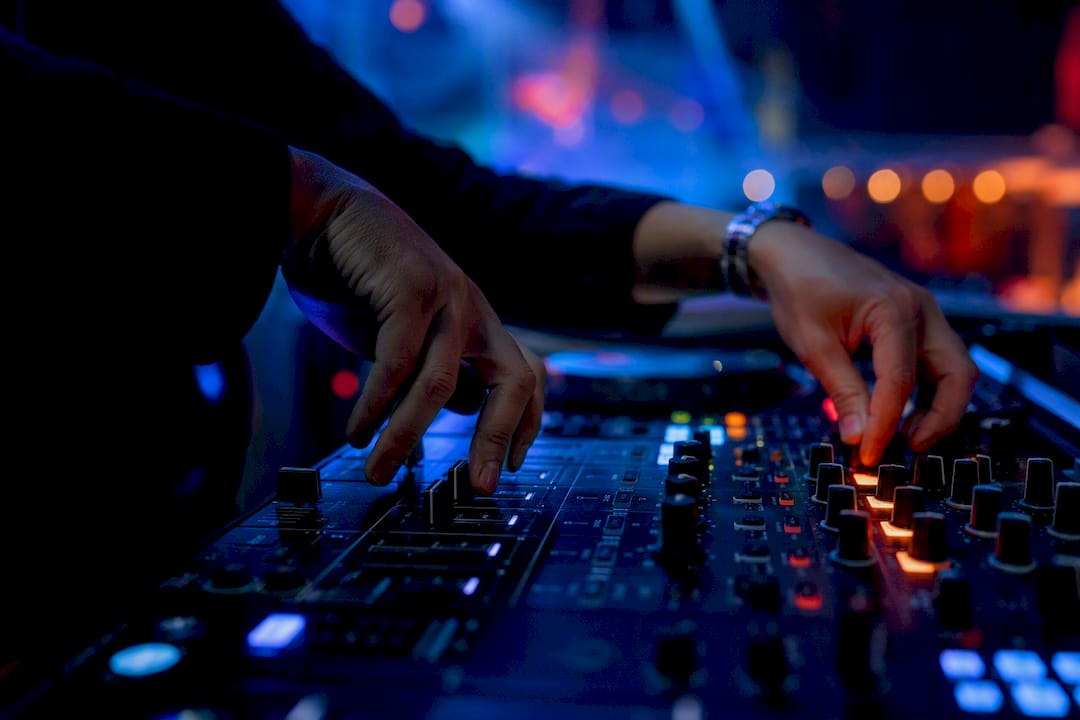
The mix fast rule governs the moments when a smooth bridge is not available. When two tracks clash on key or tempo with no clean bridge in between, industry guidance is clear: mix fast. A quick cut minimizes how long the audience’s ear registers the dissonance, while a long, slow blend across incompatible material tends to expose the clash and drain momentum right when the DJ needs it least. This is the single most useful rule an aspiring open format DJ can internalize, because it removes the guesswork from the hardest transitions in the set.
Beyond tempo and key, a handful of signature techniques define the format:
- Tone play, layering an acapella or vocal hook from one genre over the instrumental of another to create a hybrid moment the crowd has never heard before
- Track-element blending, treating vocals, percussion, and basslines as separate modular pieces so a quick edit or acapella swap can bridge two otherwise incompatible productions
- Set-splitting, organizing the night into loose genre blocks lasting several minutes each so variety never feels random
- Hot-cue and cue-point use, pre-marking the exact bar where a transition needs to fire so pivots happen on instinct, not on searching through a waveform mid-song
Pro Tip: Practise your three hardest genre transitions, the ones you actively dread, until they’re automatic. Every open format set eventually forces you into an awkward pivot, and the DJs who look effortless are the ones who rehearsed the ugly transitions in private.
The scale of this genre-hopping is bigger than most aspiring DJs assume. Mixgraph’s measured dataset of a dataset of thousands of hand-sequenced transitions found a substantial share crossed genre boundaries entirely, with recurring pairs like house into dance, R&B into hip-hop, and pop into dance appearing again and again. Genre crossing is not a stylistic flourish some DJs add. It is the baseline behaviour of anyone booked for paid event work.
What ties all of this together, according to Pioneer DJ’s breakdown of genre-specific mixing techniques, is intentional programming: choosing signature track combinations in advance so a genre leap feels like a deliberate creative choice rather than a desperate scramble. That distinction is exactly what a client is paying for when they book a professional over a friend with a laptop.
Building a library that lets you pivot instantly
A five-thousand-song library tagged only by genre is close to useless mid-set, because “hip-hop” tells you nothing about whether a track fits a slow dinner hour or a peak-time floor filler. Open format DJs solve this by tagging tracks across multiple dimensions at once: era, crowd type, function, BPM, key, and a personal rating for how reliably a track performs live.
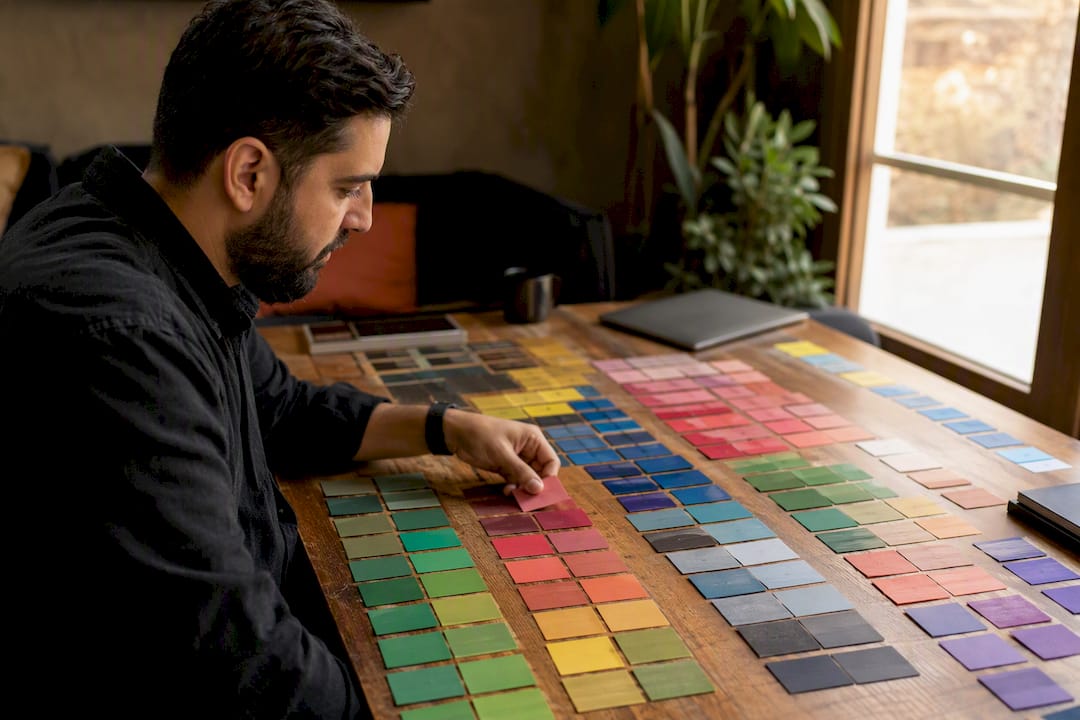
That richer tagging system, as library platforms built for open format work point out, turns genre alone into one of several search filters instead of the only one. A DJ searching for something to bridge a lagging moment at a wedding reception can pull up “90s peak” or “floor filler, 100 to 110 BPM” and get a shortlist instantly, rather than scrolling through an alphabetized folder hoping something jumps out.
Practical tagging categories worth building from day one:
- Era tags (“2000s throwback”, “current chart”) for generational crowd requests
- Function tags (“floor filler”, “cool down”, “grand entrance”) tied to moments in an event timeline
- Crowd tags noting which demographics respond best to a given track
- BPM and key data, ideally auto-populated by your software, for instant tempo-matched searches
- A personal reliability rating, since a track that killed at one wedding can flop at another
Once tags exist, exporting crates across Rekordbox, Serato, Traktor, or Engine keeps that preparation portable regardless of which club or venue system a DJ is handed on the night. Backing up cue points and crate structures to an external drive, not just cloud storage, remains the cheapest insurance against a corrupted database an hour before doors open.
How to hire an open format DJ, and how to prepare to become one
Whether you’re booking talent or building your own set, the preparation checklist looks different depending on which side of the booth you’re on.
For event planners and hosts:
- Ask for a sample mix that shows genre transitions in action, not just a list of songs the DJ has played before
- Clarify your do-not-play list and request policy in writing before the event, not on the night
- Confirm backup equipment and a contingency plan if primary gear fails mid-event
- Ask how the DJ handles a dead floor: what’s their first move when energy drops?
- Discuss sound requirements against your venue’s size and layout early, not the week of the event
Dj-phoenix’s guide to choosing the right wedding DJ walks through these questions in more depth for couples building their own vendor shortlist.
For aspiring open format DJs:
- Build a tagged library before you build a set list
- Rehearse your hardest genre transitions until they’re second nature
- Prepare a demo mix that deliberately showcases range, not just skill in one lane
- Create a client consultation template that captures must-plays, do-not-plays, and key moments in advance
- Pack a gear checklist that includes backups for cables, adapters, and a spare drive
Pro Tip: Most professional open format bookings run several hours, and sets are commonly split into blocks of ten to twenty minutes per genre or energy zone to keep variety from feeling scattered. Use that structure as a starting template, then adjust live based on the room.
Where open format sets go wrong, and how to fix it live
The most common failure isn’t a bad song choice. It’s a transition that runs too long between two mismatched tracks, letting the crowd’s attention drift while the DJ waits for the perfect harmonic moment that never arrives. An unorganized library compounds the problem, because searching for the right track under pressure eats the seconds that would have saved the moment.
Live fixes are usually simple once you know to reach for them:
- Cut the blend short and hit a tempo bridge track instead of forcing a long transition
- Use a micro-edit or acapella swap to reset energy without a full song change
- Have three or four proven floor fillers cued and ready at all times, not buried in a search
- Handle requests gracefully but never let them derail a carefully built energy arc
For planners, the clearest hiring red flags are a DJ with no sample material showing genre range, no stated backup plan for equipment failure, and no clear policy on handling guest requests. Any one of those gaps tends to predict a rougher night than the contract promised.
Who’s behind this guide: real event experience, not theory
Dj-phoenix built its reputation performing open format sets for audiences that genuinely require the skill: multicultural weddings with three generations on the floor, corporate activations for brands like Mercedes-Benz, and sports events for FW Sports where energy needs to spike on command. That is where the tempo-bridging and mix-fast principles above get tested against a live crowd rather than a bedroom setup.
Dj-phoenix’s DJ Performance Gallery documents sample mixes and past events for planners who want proof before booking. For deeper background on reading diverse audiences, the guide to cultural competence at events expands on how programming decisions shift by crowd.
Book an open format DJ who treats your event like the main event
Reading this guide is useful. Booking someone who already lives these techniques on a weekly basis saves you the risk of testing them yourself on your wedding night or your company’s biggest event of the year. Dj-phoenix brings genre-crossing sequencing, tagged libraries, and cultural fluency to weddings, corporate events, private parties, and multicultural celebrations, with sound system rental and emcee services built into the same booking so you’re not coordinating three vendors instead of one.
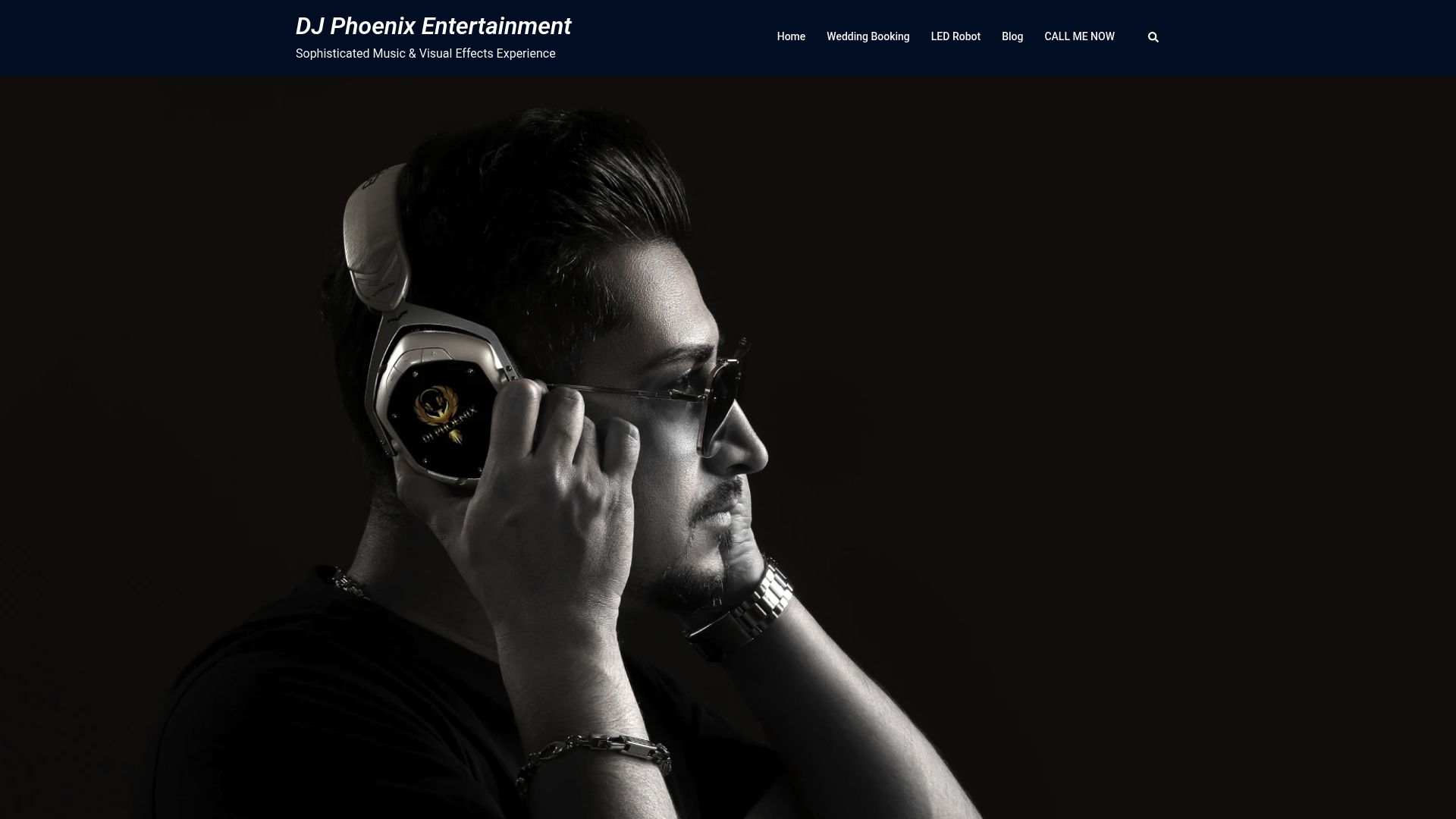
Services available for open format events include full playlist curation across cultural and generational lines, professional sound system rental scaled to your venue, and emcee work that keeps transitions between formal moments and dance sets feeling natural rather than jarring. Couples planning a multicultural wedding can start with the wedding packages page to see how sets get structured around ceremony, dinner, and peak dance hours. If you’re ready to see the range in action, request a sample mix through the DJ Performance Gallery and get a consultation booked for your date.
Why crowd energy beats technical showmanship, every time
The DJs who impress other DJs and the DJs who fill a dance floor are not always the same people. A flawless harmonic mix means nothing if it’s the wrong song for the room. Cultural competence, knowing which tracks land with which generations and communities, matters more than any transition trick, because the goal was never to showcase skill. It was always to keep people dancing. If your event needs that judgment more than a technical résumé, a conversation with Dj-phoenix is the practical next step.
— Reza
Sources
For readers who want to go deeper on any single piece of this guide, a few sources are worth bookmarking directly. Mixgraph’s glossary entry on open format DJing breaks down the measured genre-crossing data referenced above. Mixed In Key’s wiki on fast versus slow mixing expands on tempo and key strategy in more technical detail. For dance-floor programming philosophy from another angle, THE GURLZ’s guide to dance-floor DJ music covers how DJs prioritize energy over strict genre lines.
- What is an open format DJ? Definition and what the data shows | Mixgraph
- When to mix fast, when to mix slow | Mixed In Key (wiki)
- We uncover the mixing techniques behind every major genre – Pioneer DJ
- Vibes for Open-Format DJs: Pivot Fast, Recall Anything | Vibes