Here is your private party entertainment checklist in one sentence: confirm talent arrival, run a sound check, brief your DJ on must-plays and do-not-plays, verify backup equipment, and designate a single point of contact for the night. Over 70% of guests remember a party primarily for its entertainment, which means the decisions you make in the weeks before the event carry more weight than most hosts realise.
Day-of essentials to confirm before doors open:
- Talent arrival time confirmed in writing (at least 90 minutes before guests arrive)
- Primary contact name and mobile number shared with the DJ and venue manager
- Sound check completed and all channels tested
- Playlist brief delivered: must-plays, do-not-plays, peak moments, and energy curve
- Backup music source ready (curated playlist on a device, Bluetooth speaker on standby)
- Overtime rate and approval process agreed upon with the DJ
Print this and keep it in your pocket on the night: Confirm load-in → sound check → brief the DJ → test backup → brief your point of contact → enjoy the party.
Table of Contents
- What does a complete private party entertainment checklist look like?
- How do you match music to your guests’ cultural backgrounds and tastes?
- What technical and venue checks prevent day-of failures?
- What should every DJ contract include, and what should you ask?
- What contingency plans should every host prepare?
- How do you use the printable checklist and DJ brief template?
- What keeps guests engaged beyond the music?
- Key takeaways
- What experienced planners know that most hosts overlook
- Dj-phoenix takes the complexity off your plate
- Sources and further reading
What does a complete private party entertainment checklist look like?
A stage-by-stage checklist prevents the last-minute scrambles that derail even well-funded events. Booking vendors early is the single most effective way to secure the calibre of talent your event deserves, particularly for weekend dates when the best DJs fill their calendars months in advance.
| Planning Stage | Key Actions | Owner |
|---|---|---|
| Several months before the event | Book DJ/band, sign contract, pay deposit | Host |
| A few months before the event | Guest demographics survey, playlist brief draft, tech rider request, site visit | Host + DJ |
| A few weeks before the event | Final playlist, run sheet, load-in times, parking confirmed | Host + DJ |
| Day-of | Setup window, sound check, emcee cues, overtime approval | DJ + Host contact |
| Post-event | Collect recordings/files, send feedback, process final payment and gratuities | Host |
Booking stage: Top DJs are often reserved several months ahead for Friday and Saturday dates. Sign a contract and pay your deposit the same week you confirm availability.

A few months before the event: Survey your guest list for age ranges, cultural backgrounds, and language preferences. Share that profile with your DJ alongside a preliminary playlist brief. Request the technical rider so you can confirm the venue can accommodate it.
A few weeks before the event: Lock the run sheet, confirm load-in access and parking for the DJ’s vehicle, and finalise the playlist. This is also the moment to verify overtime rates in writing.
Post-event: Request any recorded sets or audio files within 48 hours. Send a brief feedback note to your DJ and process the final payment, including any agreed gratuity, promptly.
How do you match music to your guests’ cultural backgrounds and tastes?
Tailoring entertainment to audience demographics is the difference between a dance floor that stays full and one that empties after the first set. The most effective approach: anchor the playlist to the majority guest profile, then weave in cultural touchpoints that honour minority groups without making those moments feel tokenistic.
Reading your guest demographics quickly:
- Age bands: under-30 guests generally respond to contemporary pop and hip-hop; 35–55 guests often want a blend of classic hits and current chart music; 55-plus guests appreciate familiar anthems from their formative decades.
- Cultural backgrounds: identify the two or three dominant cultural communities in your guest list and ask your DJ to include two or three signature tracks from each.
- Language preferences: for multilingual gatherings, alternate between languages in the playlist rather than clustering all non-English tracks at the end of the night.
What to include in your DJ brief:
- Must-play list (five to ten tracks that define the night’s identity)
- Do-not-play list (tracks that may offend or simply do not fit the vibe)
- Peak moments: first dance, birthday toast, cake cut, or any cultural ritual requiring a specific track
- Energy curve: when to build, when to hold, when to peak
For multicultural event music planning, a skilled DJ sequences cultural genres so transitions feel organic rather than jarring. Persian pop into R&B into Bollywood, for example, can flow beautifully when the tempo and key are matched.
Pro Tip: Send your completed DJ brief 48–72 hours before the event. A brief delivered the morning of the party gives your DJ no time to source tracks or rehearse transitions.
What technical and venue checks prevent day-of failures?
Skipped sound checks and missing technical riders are among the most frequent causes of entertainment failures. Confirm power, run sheet, and a full sound check at least one hour before guests arrive.
| Item | Responsible Party |
|---|---|
| Dedicated power circuit (20-amp minimum) | Venue |
| PA system, mixer, and floor monitors | DJ |
| Microphones and DI boxes | DJ |
| Load-in route and freight elevator access | Host |
| Parking for DJ vehicle | Host |
| Noise bylaw compliance and permit (Canada-specific) | Host + Venue |
| Weather plan for outdoor events | Host |
Equipment checklist your DJ should confirm:
- PA speakers and subwoofers sized for the room
- Backup cables, spare DI boxes, and a secondary laptop or media player
- Amplifier placement that avoids feedback loops near microphones
- Acoustic treatment awareness (hard-surfaced rooms need earlier sound checks)
For outdoor events in Canada, municipal noise bylaws vary by city and time of day. Confirm your permitted decibel level and end time with your venue manager before signing the entertainment contract. A sports event DJ checklist offers additional load-in and power guidance applicable to large private events.
Sound check rule: Never open doors to guests before the DJ has tested every channel, microphone, and monitor at performance volume.
What should every DJ contract include, and what should you ask?
Include these items in every contract: scope of performance, deposit amount and due date, cancellation policy for both parties, overtime rate and approval process, equipment damage clause, liability insurance confirmation, and deliverables such as recordings or set lists.
Typical fee components to budget for:
- Base performance fee
- Travel and accommodation (for destination or out-of-city events)
- Setup and breakdown time
- Equipment rental if the venue does not provide a PA
- Overtime (usually billed per 30-minute increment)
- Sound technician, if the event scale requires one
Questions to ask during your DJ consultation:
- Are you available on my date, and do you have a backup DJ if you are ill?
- What equipment do you bring, and what does the venue need to supply?
- Can I hear sample playlists or mixes from similar events?
- What is your overtime rate, and how is it approved on the night?
- Do you carry liability insurance, and can you provide a certificate?
- How do you handle noise complaints or bylaw enforcement?
What contingency plans should every host prepare?
Always plan three backups: a backup music source, spare equipment, and a substitute entertainment option or extended playlist. Most disruptions are predictable; the hosts who manage them gracefully are the ones who assigned roles before the event started.
Common contingencies and immediate actions:
- Power outage: DJ activates battery-powered Bluetooth speaker with pre-loaded backup playlist; host contacts venue manager immediately.
- Performer illness: Substitute DJ or pre-approved playlist takes over; confirm this clause in the contract before signing.
- Technical failure: Spare cables, a secondary laptop, and a backup DI box resolve most failures in under five minutes.
- Noise complaint: Host’s designated contact speaks to venue staff; DJ reduces output and adjusts EQ rather than stopping music entirely.
Role assignments for day-of escalation:
- Host’s point of contact: calls the DJ or vendor directly
- Venue manager: handles bylaw or neighbour complaints
- DJ: manages all technical decisions independently
Pro Tip: A curated backup playlist loaded on a phone and paired to a quality Bluetooth speaker costs almost nothing and has saved countless events. Build it before the party, not during.
How do you use the printable checklist and DJ brief template?
The downloadable pack from Dj-phoenix includes a one-page day-of checklist and a short DJ brief sample you can copy directly into a vendor email. Both files are designed for immediate use without editing expertise.
How to use each file:
- Print the one-page checklist and keep it with your event binder or hand it to your point of contact.
- Paste the DJ brief template into your email to the DJ, fill in the bracketed fields, and send it 48–72 hours before the event.
- Update the must-play and do-not-play lists after your final guest RSVP count confirms the demographic breakdown.
- Confirm the final playlist with your DJ no later than 48 hours before the event; changes after that point risk missing tracks.
The brief template includes fields for event type, guest count, age range, cultural backgrounds, peak moments, energy curve notes, and sound check time. A completed brief typically takes 20 minutes to prepare and prevents the majority of on-the-night miscommunications.
What keeps guests engaged beyond the music?
Mixing interactive activities with performance elements maintains energy across every phase of the event, not just the peak dance-floor moments. The most memorable private gatherings combine a strong musical backbone with two or three interactive touchpoints that give guests something to do between sets.
Effective options for private gatherings include photo booths with custom props, a silent disco station where guests switch between two DJ channels, a live caricature artist circulating through the room, or a mixology station where guests build their own cocktails. Combining main acts with interactive stations also increases social media shareability, which extends the event’s reach well beyond the night itself.
For hosts planning audience engagement at private events, the key is sequencing: open with ambient background music and a low-key interactive station, build to a live performance or DJ peak set, then offer a second interactive moment as energy naturally dips before the finale.
Key takeaways
A well-executed private party entertainment checklist comes down to five non-negotiables: book early, brief your DJ in writing, confirm all technical requirements with the venue, prepare three levels of backup, and lock contracts before paying any deposit.
| Point | Details |
|---|---|
| Book talent early | Top DJs fill weekend dates months in advance; secure your booking and deposit immediately after confirming availability. |
| Send a written DJ brief | Deliver your must-plays, do-not-plays, and energy curve 48–72 hours before the event to reduce on-the-night changes. |
| Confirm power and load-in | Verify dedicated circuits, load-in routes, and parking with the venue at least two weeks out. |
| Prepare three backups | A backup playlist, spare equipment, and a substitute plan cover the most common day-of disruptions. |
| Dj-phoenix handles the detail | Dj-phoenix manages multicultural playlist curation, technical rider coordination, and day-of emcee support so hosts can focus on their guests. |
What experienced planners know that most hosts overlook
The most common mistake hosts make is treating the entertainment brief as optional. A DJ who arrives without a written brief is working from assumptions, and assumptions at a multicultural private party are a liability. The artistry of a skilled DJ lies not just in technical execution but in cultural fluency — knowing when to shift from one musical tradition to another without losing the room. That fluency only activates when the DJ has been given the right information in advance.
The second overlooked detail is overtime approval. Many hosts assume the DJ will simply keep playing if the party runs long. Without a pre-agreed overtime rate and a named person authorised to approve it, the music can stop at the contracted end time regardless of the mood on the floor. Assign that authority before the event, not during it.
Dj-phoenix takes the complexity off your plate
Private party entertainment planning rewards precision, and Dj-phoenix brings that precision to every event. As the professional behind performances for Mercedes-Benz and FW Sports, Dj-phoenix delivers full DJ services, sound system management, emcee support, and multicultural playlist curation tailored to your specific guest profile.
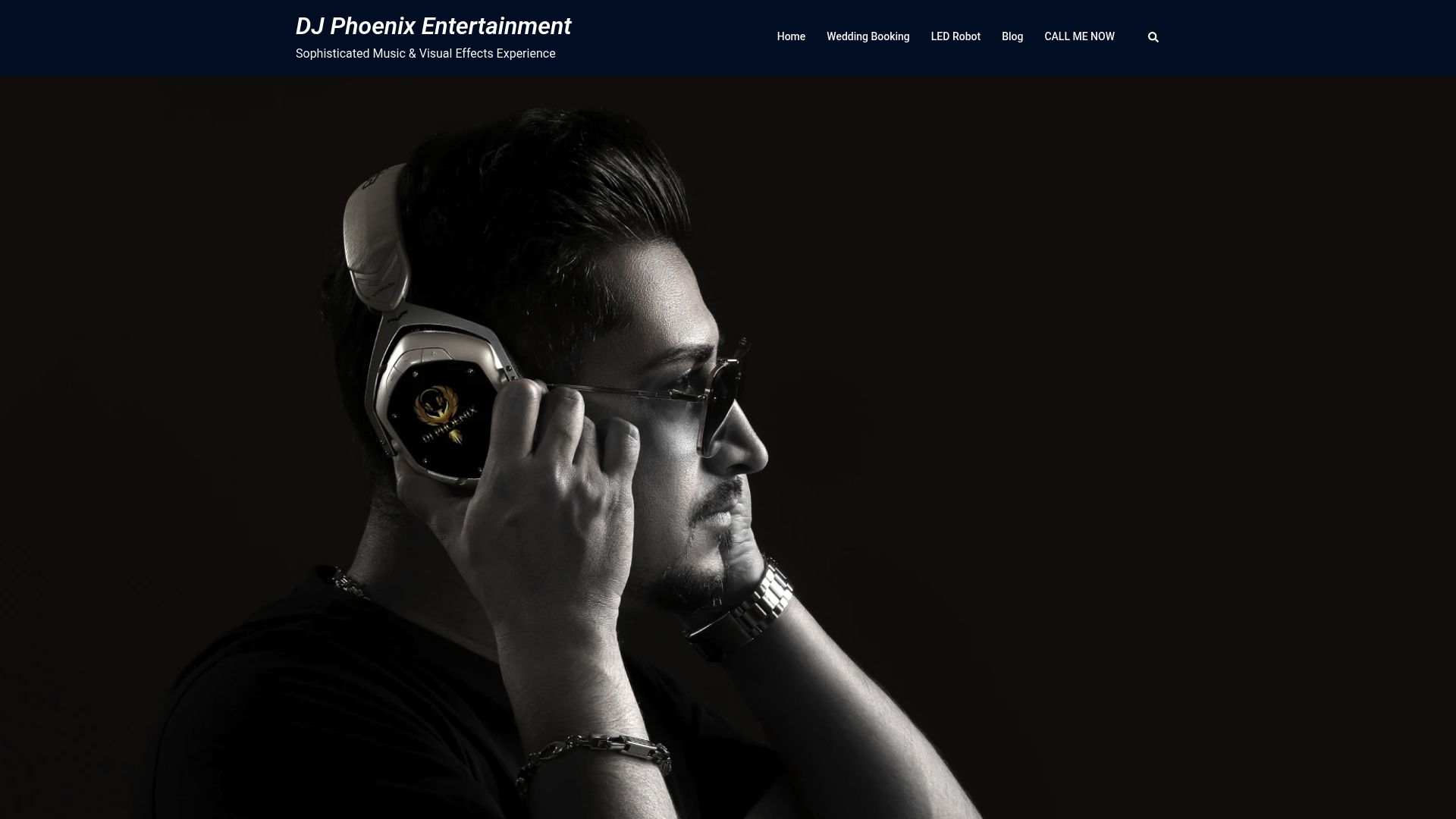
Where most hosts spend hours coordinating load-in logistics and chasing vendors for technical riders, Dj-phoenix manages all of it directly with your venue. The party packages cover equipment, setup, and breakdown, so there are no hidden fees on the night. Sample mixes are available to review before you commit, and availability checks are straightforward. Browse the DJ performance gallery to see the calibre of events Dj-phoenix has delivered, then reach out to confirm your date.
Sources and further reading
Research sources used in this article:
- 122 event entertainment ideas to amaze your guests — Skift Meetings
- 50 Party Entertainment Ideas Checklist — Party Plan Checklist
- 30 event entertainment ideas to wow attendees — Cvent Blog
- Ultimate party planning checklist — VistaPrint
- Free party planning checklist — MumsMakeLists
Further reading for Canadian hosts:
- Inclusive event entertainment checklist for planners — Dj-phoenix
- Multicultural event entertainment: your 2026 planning guide — Dj-phoenix
- Cultural fusion event entertainment: a planner’s guide — Dj-phoenix
When in doubt about venue acoustics, power capacity, or permit requirements, contact a professional DJ for a site visit before finalising your entertainment contract.