The best sales kickoff music follows an agenda-segmented approach, with distinct song blocks for arrival, transitions, breaks, awards, and the closer, rather than one continuous playlist. Two rules matter above all others: screen every lyric for content that could alienate a diverse room, and treat each music cue as an intentional signal rather than background filler. That discipline, more than any single song choice, is what separates a kickoff that feels curated from one that feels like a hotel lobby.
TL;DR:
- Purpose-built song blocks should align with specific event moments, such as arrival, recognition, and closing, rather than relying on a continuous playlist.
- Songs need to be screened in advance for explicit or divisive lyrics, with clean edits or instrumentals prepared to maintain inclusivity.
- A detailed cue sheet, with timing, fade instructions, and backup tracks, is essential for accurately executing music during a live or virtual event.
- Music choices should support the desired mood by matching tempo and energy to the event segment rather than using one-size-fits-all motivational songs.
- Professional cue management improves flow, transition smoothness, and remote audio clarity, freeing organizers from juggling technical details during the kickoff.
Table of Contents
- Why music matters at a sales kickoff
- Copy-and-play song blocks for every SKO moment
- How to build a cue sheet for your run of show
- Keeping the playlist inclusive and screened
- Testing audio for virtual and hybrid kickoffs
- Practitioner tips: sequencing, transitions and on-the-day checks
- What most kickoff playlist advice gets wrong
- Bring in DJ Phoenix for your next sales kickoff
- Primary sources used in this article
- Sources
- FAQ
Why music matters at a sales kickoff
Music at a corporate event does more than fill silence. It signals mood and frames expectations before a single word is spoken, which is why the track playing as reps walk into the room matters as much as the keynote itself. Researchers who study music and behaviour argue organisers should stop hunting for one universally motivational song and instead match each musical moment to the behaviour it needs to support: shared mood at arrival, pride during recognition, calm focus during a dense breakout.
That nuance has research behind it. A randomized controlled study found that structured compositions improved flow for some tasks, while high-arousal, high-tempo tracks actually reduced flow on cognitively demanding work, and the benefit of familiar pieces faded with repeated exposure over a month of use, according to a study on background music and task performance.
High-arousal music energizes a room but can undercut focus during complex tasks, according to the same study on background music and flow: the practical takeaway is to assign music by the job each segment does, saving the big anthems for arrival and celebration, and pulling back to low-lyric or instrumental cues whenever reps need to think.

Copy-and-play song blocks for every SKO moment
Building a kickoff playlist works best as a series of short, purpose-built blocks rather than one long shuffle. Freshworks structured its two-day virtual SKO around the run of show, pairing specific songs with arrival, the CEO video, the marketing presentation, and the finale. It reported that attendees stayed on the call after the formal programme ended just to hear the closing song, according to an Entrepreneur case study on SKO playlists. That kind of narrative pacing, matching songs to specific beats rather than picking generically upbeat tracks, is the difference between a playlist and a soundtrack.
A workable structure looks like this:
- Arrival and opening (3 to 6 tracks): high-energy, broadly recognizable songs that set a celebratory tone as reps find their seats.
- Walk-on and speaker transition stingers (15 to 40 seconds each): short clips that cue attention without overstaying, useful between agenda items or before a leader takes the stage.
- Recognition and awards moments: teamwork-themed tracks that reward collective effort rather than individual bravado.
- Post-lunch reset: instrumental or low-lyric cues that ease the room back into focus without competing with conversation.
- Closer and celebration: an anthem built to end the day on momentum, ideally one the room already associates with a win.
HubSpot’s own list for sales motivation leans on recognizable anthems and teamwork tracks such as “Harder, Better, Faster, Stronger,” “Celebration,” “Believer,” and “We Will Rock You,” while cautioning that suitability shifts with culture and age and that explicit versions need swapping for clean edits, per its songs for maximum motivation guide. Before finalizing any block:
- Preview the full lyric set, not just the chorus, for language that could read as divisive or explicit.
- Favour the clean or radio edit when one exists.
- Keep at least one instrumental alternative ready for segments where lyrics would compete with speech.
Our corporate holiday party playlist walks through a similar block-based approach that organisers can adapt directly for a kickoff.
How to build a cue sheet for your run of show
A playlist only earns its keep once it is mapped to actual event timing. Assign each block a job and a length: arrival music typically runs 3 to 7 minutes as people settle, walk-on stingers stay tight at 20 to 40 seconds, and break music runs 5 to 10 minutes depending on how long the room is empty. A cue sheet turns those blocks into something a DJ or an AV volunteer can execute without guesswork.
A working cue sheet includes:
- The song title and artist, exactly as it will be searched or queued.
- Start and stop timestamps relative to the agenda item they support.
- Fade instructions, whether that is a hard cut or an 8 second fade under a speaker’s microphone.
- The name of the speaker or segment the cue supports, so whoever is running playback knows the trigger.
- A backup track for every cue, in case licensing, mood, or timing changes on the day.
For a live event, a DJ can read the room and adjust on the fly; for pre-recorded playback, build extra buffer time into breaks since a track cannot be trimmed mid-fade the way a DJ can shorten it live. Our guide to product launch music covers cue sheet mechanics in more detail for anyone mapping a bigger production.
Keeping the playlist inclusive and screened
A sales floor is rarely one demographic, and a playlist built for one age group or one genre will land flat for half the room. Ask reps for song suggestions ahead of time, rotate across decades and genres rather than leaning on one era, and keep instrumental versions on hand for moments where lyrics might not translate well across the group.
- Solicit input from a cross-section of the team before finalizing any block.
- Screen every track for explicit language, divisive themes, or lyrics tied to controversy.
- Swap flagged tracks for clean edits or instrumental versions rather than dropping the moment entirely.
- Set aside a quiet zone or opt-out space for attendees who find sustained music overwhelming.
Pro Tip: Build your instrumental backup list before the event, not during it. Scrambling for a clean alternative mid-agenda is where most playlist mistakes happen.
Our inclusive event entertainment checklist expands on screening practices for teams planning multicultural or multigenerational events.
Testing audio for virtual and hybrid kickoffs
Remote attendees hear music differently than a room full of people, and a playlist that sounds great through speakers can turn muddy or laggy through a shared screen. Test the platform’s audio-sharing workflow well before the event, and never leave a playlist running under a live talk, since music used deliberately as an arrival or transition signal preserves clarity for remote attendees, according to the study on background music and engagement, while continuous background music competes with spoken audio and degrades comprehension.
- Confirm the platform’s system-audio-sharing feature works with your file format before doors open.
- Run a latency test between the audio source and what remote viewers actually hear.
- Assign a stage manager to cue music rather than relying on autoplay.
- Gate music volume so it never overlaps a live presenter’s microphone.
This partner guide to audio setup for live event production covers routing basics that apply directly to hybrid kickoffs.
Practitioner tips: sequencing, transitions and on-the-day checks
Reading a room is the skill that separates a professional set from a static playlist. A DJ watches energy, not the clock, and extends a track when the floor is still building or cuts early when attention is already shifting to the next speaker.
Transitions matter as much as song choice. Tempo ramps that build gradually, for example moving from roughly 100 to 120 to 130 beats per minute across successive cues, keep energy climbing without a jarring jump, and matching keys between songs makes the handoff nearly invisible. Stingers for speaker walk-ons should stay under 40 seconds so the transition supports the moment instead of becoming the moment.

Pro Tip: Run a full soundcheck with the emcee’s microphone live, not muted, so you catch feedback or level conflicts before the room fills.
On the day, confirm monitor levels, sync cues with the emcee’s script, keep an offline backup playlist ready, and verify your licence covers the event before doors open.
What most kickoff playlist advice gets wrong
Most kickoff music advice treats the playlist as a single artifact: pick 20 good songs, hit shuffle, done. That approach undersells what music actually does at a live event. The research is clear that behaviour, not energy alone, should drive the choice, and a track that pumps up a hallway can actively work against focus during a dense product briefing.
The bigger gap is production discipline. Plenty of guides hand you a list of songs; almost none hand you a cue sheet. A great playlist with no timing plan still turns into background noise the moment a speaker starts talking over it. If there is one thing to prioritize first, it is not song selection but sequencing: decide what each moment of your agenda needs from music before you ever open a streaming app. The songs are the easy part. The judgment about when to play them, and when to go silent, is what a professional brings that a shared Spotify link never will.
— Reza
Bring in DJ Phoenix for your next sales kickoff
Planning the playlist is one thing; executing it live, with cues that land on time and transitions that feel natural, is another. DJ Phoenix Entertainment brings playlist curation for multicultural audiences, walk-on cue management, emcee support, and premium sound equipment to corporate events, drawing on experience with prestigious clients.
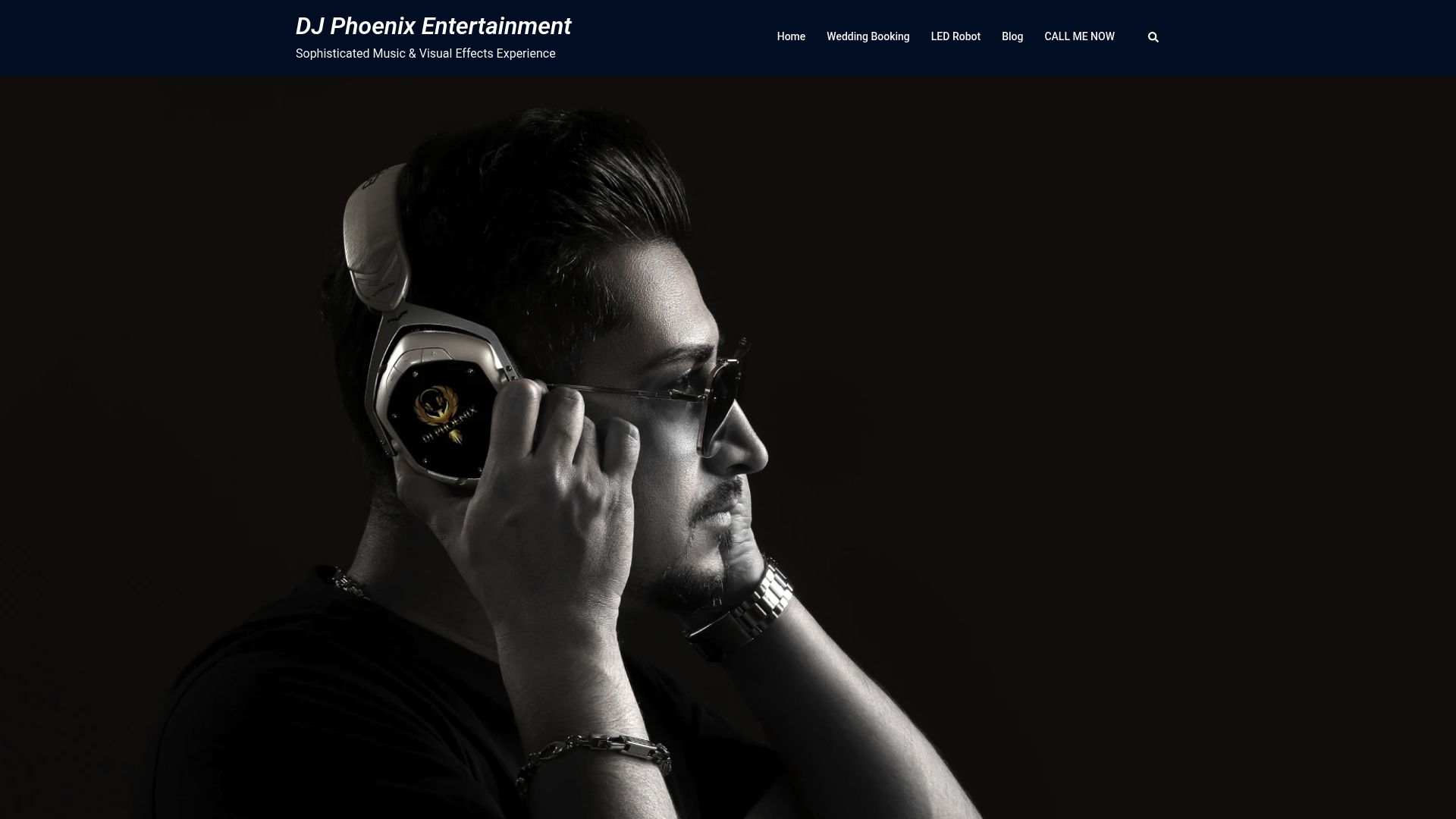
An internal playlist system works fine for a small huddle. Once a kickoff involves multiple speakers, awards, and a room that needs to read as intentional rather than improvised, a professional handling the cues frees your team to focus on the agenda instead of the queue.
| Service | What it covers |
|---|---|
| DJ services for corporate events | Playlist curation, cue management, live mixing |
| MC | Emcee support synced to the run of show |
| Drum Player, 4 Sparkler Machine | Live production add-ons for awards or finale moments |
- Book playlist curation and live cue management through our corporate DJ services page.
- Add emcee support, sparkler effects, or a drum player through our party packages.
- Check venue-specific sound setup with our event organizer resources.
Get in touch through the corporate events booking page to talk through your agenda and lock in your sound.
Primary sources used in this article
- Music and behaviour research: matching music to desired behaviour.
- Freshworks SKO case study: real-world playlist sequencing.
- Background music and flow study: task-performance evidence.
- BMI licensing: public performance licence basics.
Sources
- Songs for maximum motivation
- The impact of background music on flow, work engagement and task performance: A randomized controlled study
- Music and behaviour: matching musical selection to event goals
- Licensing
FAQ
What are some good songs to kick off a meeting?
Recognizable, high-energy anthems work best for arrival, since they set a shared mood before the agenda starts. HubSpot’s list of tracks such as “Celebration” and “We Will Rock You” is a solid starting point, with clean edits swapped in where needed, per its motivation-focused song guide.
What are some good music songs for sales motivation?
Teamwork-themed anthems and universally recognizable hits tend to land best for sales motivation, since they reward collective wins rather than individual achievement. Screening lyrics first matters, since suitability shifts across age groups and cultures within the same room, according to HubSpot’s recommendations.
What’s a good hype walk-up song?
A short, high-energy stinger under 40 seconds works best for a walk-up, since it needs to build anticipation without delaying the speaker. Matching the stinger’s tempo to the track that follows it keeps the transition smooth rather than jarring.
What’s a good song for new beginnings?
There is no single canonical answer here since suitability depends heavily on your team’s culture and age range. A safer approach is to treat the closer or opening slot as a moment to match a track to the specific feeling you want the room to leave with, whether that is optimism, unity, or momentum, rather than searching for one universal anthem.