
Corporate event entertainment is the curated blend of performances and activities designed to engage attendees, foster connections, and reinforce event goals. The industry standard for successful events calls for combining at least two distinct formats: one passive, such as a live DJ set or band, and one interactive, such as a game show or team challenge. Interactive entertainment drives higher engagement and morale than purely passive performances. Planners who understand the full spectrum of types of corporate event entertainment make sharper decisions, build stronger atmospheres, and deliver events that guests genuinely remember.
What are the main categories of corporate event entertainment?
Corporate event entertainment falls into three primary categories: passive, interactive, and hybrid. Each serves a distinct purpose, and the most effective events draw from more than one.
Passive entertainment creates ambient energy without requiring audience participation. Live bands, orchestras, string quartets, and professional DJ sets fall here. These formats set the emotional tone of a room and allow guests to converse freely while still feeling the presence of a performance.
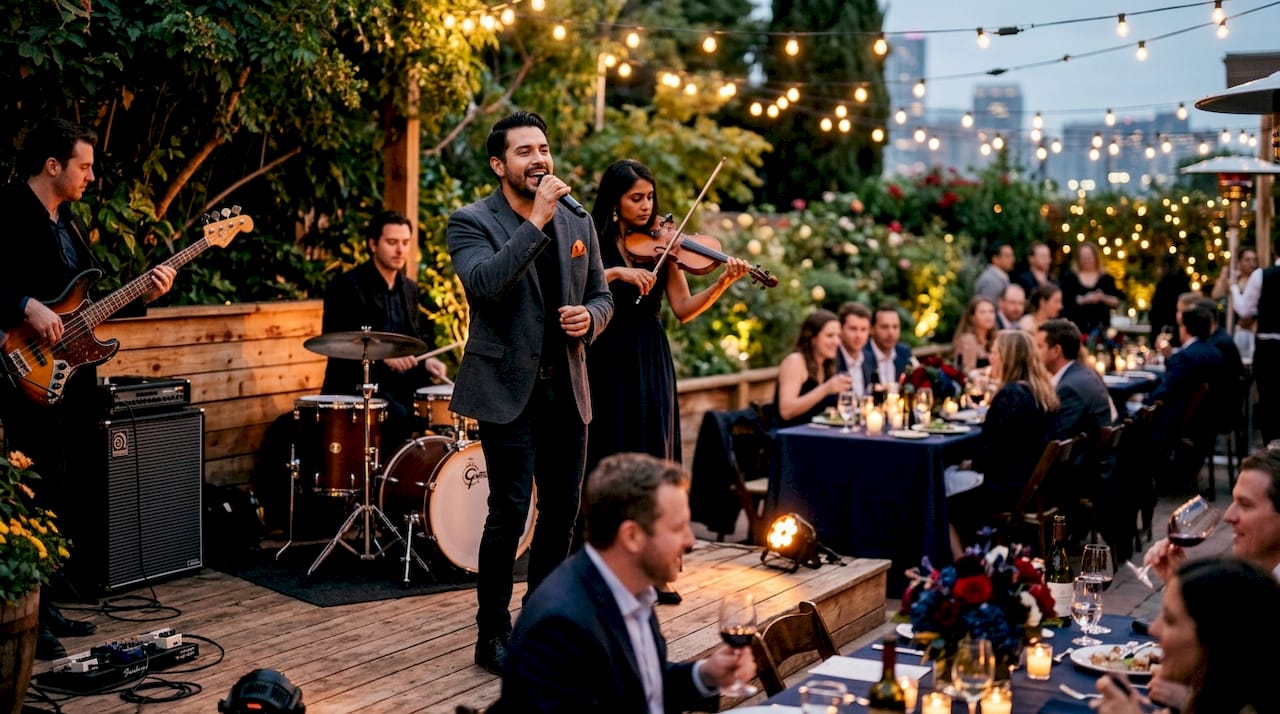
Interactive entertainment places guests at the centre of the experience. Game shows, trivia nights, casino nights, escape room challenges, and team-building workshops all demand participation. Corporate icebreakers and group challenges are particularly effective at breaking down social barriers early in an event.
Hybrid formats blend passive and interactive elements within a single experience. A DJ who reads the crowd and invites guests onto the dance floor, or a live cooking demonstration that becomes a team competition, exemplifies this category. These formats maintain consistent energy across different audience personalities.
- Passive: live bands, DJ sets, string quartets, ambient performers
- Interactive: trivia, casino nights, escape rooms, cooking classes, game shows
- Hybrid: crowd-responsive DJ performances, competitive cooking demos, live art installations with audience input
Pro Tip: Book your passive and interactive entertainment from the same production brief so the energy levels, volume, and timing complement each other rather than compete.
How should entertainment align with different event goals?
Properly aligned entertainment reduces troubleshooting and improves event flow significantly. The entertainment type you choose must serve the event’s primary objective, not just fill time.
- Team bonding events favour participatory formats. Trivia nights, group challenges, and escape room experiences create shared memories and build trust. Team building activities demonstrably enhance team cohesion and morale when structured around a common goal.
- Client appreciation events benefit from roaming performers and ambient music. The goal is conversation, not competition. Magicians, caricaturists, and a well-curated DJ set create a relaxed atmosphere that facilitates relationship-building without demanding attention.
- Awards and gala celebrations call for memorable live acts with carefully timed transitions. A live band or a polished DJ performance anchors the evening, while short, well-placed acts between award segments maintain energy without overshadowing the recognition moments.
- Product launches welcome immersive entertainment that echoes the brand message. LED dancers, projection-mapped visuals, and live performances choreographed to product reveal moments create a cohesive brand experience that guests associate directly with the product.
Each event goal demands a different emotional register. Choosing entertainment that matches that register is the single most important planning decision you will make.
What are entertainment options for hybrid and virtual corporate events?
Virtual and hybrid events require entertainment formats that work equitably for both in-person and remote attendees. Gamification and virtual entertainment with leaderboards effectively bridge in-person and remote attendance, creating fair experiences for all participants.
- Gamified platforms with leaderboards encourage friendly competition across locations. Platforms that incorporate challenges and point systems keep remote attendees as engaged as those in the room.
- Virtual cooking or mixology classes with ingredient kits shipped in advance give remote guests a tactile, participatory experience. This format works particularly well for client appreciation and team bonding events.
- Virtual trivia and escape rooms with live hosts maintain the social energy of in-person formats. A skilled host is non-negotiable; the technology alone does not sustain engagement.
- VR and spatial audio environments simulate physical event spaces for remote attendees, creating a sense of shared presence that standard video conferencing cannot replicate.
| Format | Best for | Key advantage |
|---|---|---|
| Gamified leaderboard platforms | Conferences, team events | Equal participation across locations |
| Virtual cooking or mixology classes | Client appreciation, team bonding | Tactile, memorable experience |
| Live-hosted trivia and escape rooms | Team building, networking | High energy, social interaction |
| VR and spatial audio venues | Product launches, brand events | Immersive brand experience |
Hybrid corporate entertainment options often cost less per participant than large in-person productions. That cost efficiency makes them attractive for organisations managing multi-city teams.
What roles do atmosphere and spatial design play?
Guests remember emotional atmosphere more than agenda content at corporate events. This is the most underutilised insight in event planning. Entertainment does not exist in isolation; it operates within a designed environment that amplifies or diminishes its impact.
Lighting colours and spatial layouts directly influence attendee behaviour. Blue conveys trust and authority. Yellow adds energy and curiosity. Warm lighting fosters connection. A DJ performing under cold white lighting in a cavernous room will produce a fundamentally different guest experience than the same set under warm amber in an intimate space.
Roaming and immersive performances guide social interactions organically. A roaming saxophonist or close-up magician draws guests into natural conversation clusters, reducing the cognitive effort of networking. This is spatial choreography in practice.
Entertainment that disrupts key agenda moments, such as a loud act running over into an awards presentation, damages the event’s credibility. Short and memorable performances during award ceremonies enhance the experience without overshadowing the recognition moments.
Pro Tip: Brief your entertainment providers on the full event run-of-show, not just their performance slot. A DJ who knows when the CEO speaks will manage volume and energy transitions with far greater precision.
Which entertainment types suit specific corporate occasions?
The right entertainment for a corporate occasion depends on three factors: the event format, the audience composition, and the desired emotional outcome. The following breakdown covers the most common corporate event formats and the entertainment types that perform best in each.
Galas and awards dinners call for live bands or a professional DJ with a curated playlist that shifts from ambient dinner music to celebratory dance sets. Dj-phoenix has delivered this calibre of performance for prestigious clients including Mercedes-Benz, demonstrating that the artistry of reading a room and transitioning between musical styles is what separates elite entertainment from adequate entertainment.
Conferences and team-building days benefit from interactive game shows, casino nights, and creative workshops. Interactive food and drink stations act as conversation catalysts, activity hubs, and hospitality features simultaneously. Mixology classes, sushi rolling, and live cooking demonstrations create natural guest gathering points that no formal networking session can replicate.
Cocktail hours and client appreciation events suit comedians, mentalists, and roaming performers who work the room without commanding it. The entertainment should feel like a discovery, not a performance.
Immersive branding events and product launches welcome emerging formats. LED dancers, aerialists, and VR experiences create spectacle that guests photograph and share, extending the event’s reach well beyond the room.
- Live bands and DJ sets: galas, dinners, celebrations
- Comedians and mentalists: cocktail hours, client events
- Game shows and casino nights: conferences, team-building days
- Food and drink stations: networking events, team engagement
- LED dancers, aerialists, VR: product launches, brand activations
The inclusive event entertainment checklist for planners is a practical resource for ensuring your entertainment mix serves the full diversity of your guest list.
Key takeaways
The most effective corporate event entertainment strategy combines passive and interactive formats, aligns with event goals, and treats atmosphere as an active design element rather than a background condition.
| Point | Details |
|---|---|
| Combine entertainment formats | Pair one passive format with one interactive format to serve all attendee preferences. |
| Align entertainment with event goals | Team bonding needs participation; client events need ambient, conversational formats. |
| Design atmosphere intentionally | Lighting, spatial layout, and entertainment timing shape guest memory more than agenda content. |
| Plan for hybrid audiences | Gamified platforms and shipped activity kits create equitable experiences for remote attendees. |
| Brief all performers on the full run-of-show | Providers who know the full agenda manage energy transitions with precision and professionalism. |
What I have learned about choosing corporate entertainment that actually works
The first ten minutes of any corporate event are the most decisive. Early entertainment sets the collective energy for everything that follows. I have seen planners invest heavily in a headline act scheduled for 9:00 PM, only to lose the room by 7:30 PM because the opening hour had no energy anchor. A flat start is extraordinarily difficult to recover from.
The mistake I see most often is selecting entertainment based on personal taste rather than audience demographics and event flow. A planner who loves jazz and books a jazz quartet for a 28-year-old sales team’s year-end party has made a personal choice, not a professional one. The audience’s preferences and the event’s emotional arc must drive every decision.
Entertainment should be a frictionless companion to the agenda. It should guide guests from one moment to the next without demanding their full attention at the wrong time. The best corporate entertainment I have witnessed works almost invisibly, sustaining energy and social momentum while the event’s real business, the recognition, the connection, the celebration, takes centre stage.
Tailoring entertainment by audience demographics is not optional. A multicultural guest list requires a multicultural entertainment approach that reflects the room’s diversity. When guests hear music or see performances that resonate with their own cultural identity, their engagement deepens in a way that no generic programme can achieve.
— Reza
Dj-phoenix corporate entertainment: performance built for your event
Dj-phoenix brings the pedigree of elite corporate entertainment to every event, from intimate client dinners to large-scale galas. With a track record that includes prestigious engagements for Mercedes-Benz and FW Sports, Dj-phoenix delivers the artistry of crowd-reading, multicultural playlist curation, and high-quality sound production that corporate events demand.
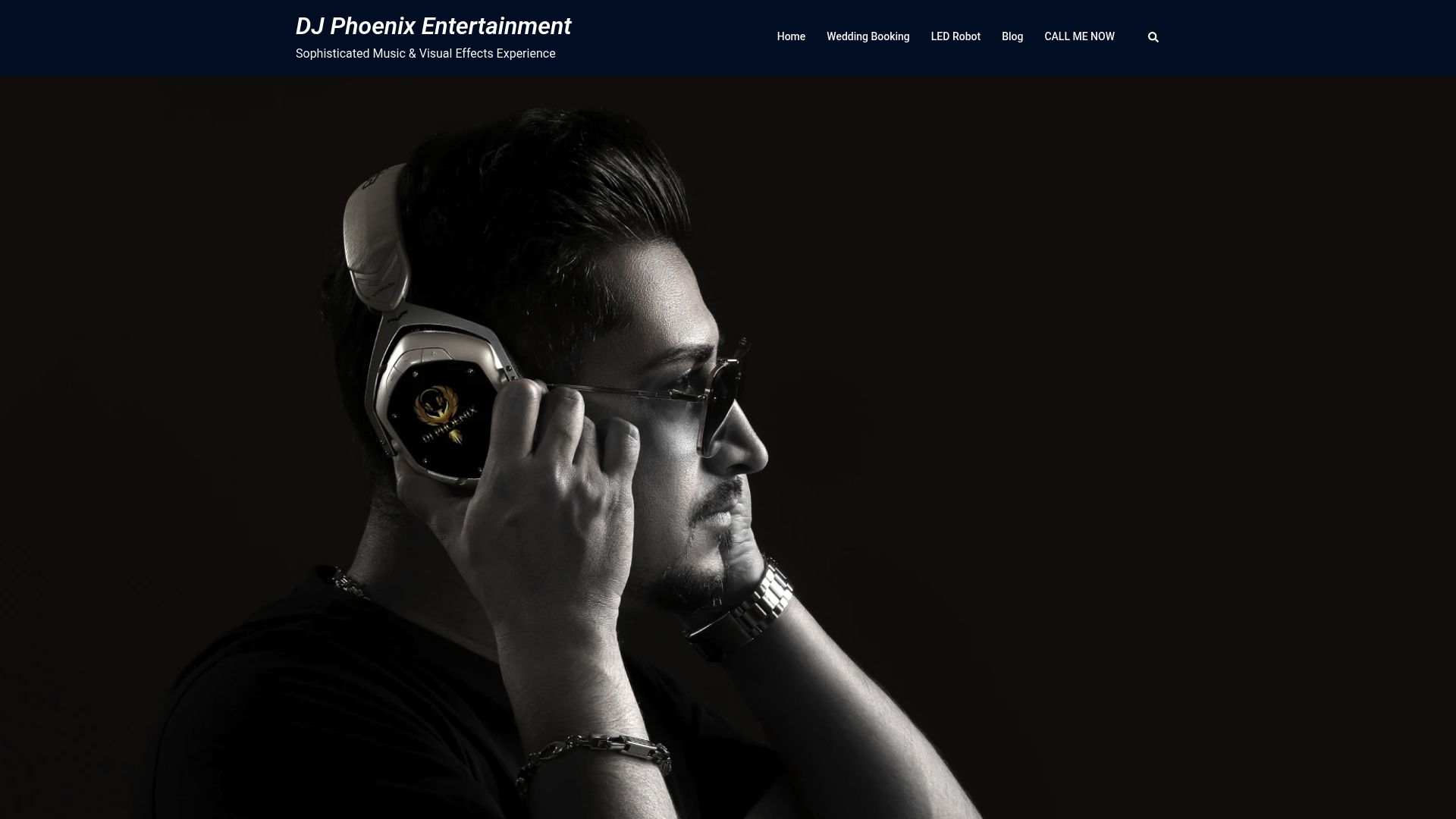
Whether you are planning a hybrid conference, a gala awards evening, or a team celebration, the corporate event DJ services Dj-phoenix offers are calibrated to your event’s goals and your audience’s expectations. Explore the DJ performance gallery to see the range of corporate event formats Dj-phoenix has elevated with live performance and expert sound design.
FAQ
What is corporate event entertainment?
Corporate event entertainment is the curated selection of performances and activities designed to engage attendees, reinforce event goals, and shape the emotional atmosphere of a business gathering.
How many entertainment formats should a corporate event include?
The most effective strategy combines at least two formats: one passive, such as a live DJ or band, and one interactive, such as a game show or workshop, to accommodate varied attendee preferences.
What entertainment works best for team-building events?
Trivia nights, escape room challenges, casino nights, and interactive food and drink stations are the strongest choices, as they require participation and create shared experiences that build team cohesion.
How do you keep remote attendees engaged at hybrid corporate events?
Gamified platforms with leaderboards, live-hosted virtual trivia, and activity kits shipped to remote participants create equitable engagement across in-person and virtual audiences.
Why does the first ten minutes of entertainment matter so much?
The initial entertainment moments set the collective emotional tone for the entire event. A flat opening is difficult to recover from, regardless of the quality of entertainment that follows later in the programme.