Music is the part of a brand activation that guests feel before they read a single sign. A well-chosen soundtrack, a DJ who reads the room and a clear reason to participate turn a booth or a launch into a memory, and that is what separates an activation from simple presence. This guide sets out how we approach brand activation music: what it is, why it works, which formats earn attention, how to plan one and how to measure the result.
TL;DR
- A music brand activation is an interactive, on-site experience, not a logo on a banner. Music is the thread that makes it feel alive.
- Activations that solve a real attendee problem, such as charging, hydration or rest, earn goodwill that transfers to the brand.
- Shareable “wow” moments can generate 3 to 4 times more digital impressions than standard brand presence, according to SponsorPulse.
- Plan three jobs for every activation: a desirable service, consented contact data and content that outlives the event.
- Measure on three horizons: during the event, at 30 days and at 90 days.
Table of Contents
- What a music brand activation really is
- Why music makes an activation memorable
- Music-led formats that work
- Planning an activation that feels like your brand
- What US activations show
- Measuring whether it worked
- Bringing it to your event
- FAQ
- Sources
What a music brand activation really is
A music brand activation is an immersive, interactive experience a brand creates on-site at a festival or live event to engage attendees. Snapbar’s sponsor playbook draws the line clearly: standard advertising is often passive, and sponsorship buys access or logo visibility, while an activation asks people to take part and builds a two-way relationship between the brand and the consumer.
The practical difference shows up in what you can take away afterwards. Sponsorship delivers visibility through signage and category rights. An activation produces participant data and branded content that can be measured, according to the same playbook.
Music enters this picture in two ways. It can be the activation itself, such as a stage, a listening lounge or a live set. Or it can be the atmosphere that holds a different activation together: the pulse in a product lounge, the energy at a launch, the cue that tells guests something is about to happen. In both cases, we treat sound as part of the design, never as an afterthought.
This matters beyond festivals. Corporate launches, brand dinners, sports hospitality and private client evenings all use the same logic. The venue changes; the principle does not. If you plan brand events more broadly, our guide to brand event entertainment best practices covers the planner’s side in more depth.
Why music makes an activation memorable
The research on music and brands points in a consistent direction: sound shapes how people feel, and feeling shapes what they remember.
Emotion at a high-arousal moment
Prof. Dr. Francisco Tigre Moura of LiveInnovation.org argues, in an analysis of brand activations at music festivals, that brands succeed when they act as a solution to utilitarian problems such as safety or hydration. Doing so lets them benefit from the high-arousal, hedonic state attendees are already in. Music is the engine of that state. A brand that helps in the middle of it is remembered warmly.
Fit strengthens memory
MassiveMusic and the IPA note in their Sound Science report that music-brand fit enhances memory encoding. When listeners engage with the music, retrieval cues for the brand improve, which strengthens mental availability in buying situations. The takeaway for a planner is simple: choose music because it belongs with the brand, not because it is fashionable this month.
Familiar sound, personal taste
Kantar’s work on the power of music in advertising indicates that music consumption is increasingly personalized. Culturally relevant, familiar music helps brands set a tone, differentiate and become future brand cues. For audiences that span several communities and generations, this is where a DJ with a multicultural library earns his place. Our piece on cultural fusion event entertainment explains how we build that range into a night, and the role of traditional music at events shows how heritage sound can anchor a brand moment rather than interrupt it.
Surprise beats the predictable
SponsorPulse expert Eddy Sidani emphasizes, in SponsorPulse’s festival marketing insights, that unexpected experiences can convert awareness into consideration more strongly than predictable activations. A track dropped at the right second, a live drummer joining the DJ, a reveal timed to the music: these are the small surprises that make guests reach for their phones.
Music-led formats that work
The academic analysis of festival activations lists the common formats: lounges, charging stations, photo booths, music stages, interactive games, AR and VR experiences, hydration stations, rest areas and artist meet-and-greets. Not every format needs a festival field. Most translate to a corporate or private brand event with some adjustment.
| Format | Role of music | Best suited to |
|---|---|---|
| Lounge or rest area | Sets a calmer, curated mood; a DJ shifts the tempo through the day | Festivals, sponsor hospitality, VIP evenings |
| Photo or video moment | Gives guests a soundtrack and a reason to pose and share | Launches, brand parties, pop-ups |
| Interactive game | Beat, tempo or track choice drives the play | Corporate events, sports activations |
| Live stage or set | The music is the main attraction | Festivals, grand openings, galas |
| Reveal or unveiling | A cue sheet times sound to the moment of the reveal | Product launches |
Build for sharing
SponsorPulse reports that activations designed for social sharing, such as visually distinctive photo ops or “wow” moments, generate 3 to 4 times more digital impressions than standard brand presence. Sound is a quiet multiplier here. A distinctive moment with its own soundtrack is far easier to film and post than a silent one.
Visual and physical elements make that moment possible. At our events we offer an LED robot dancer rental and dry ice fog, and our party packages include add-ons such as sparkler machines, a drum player and VJ service. They are the kind of elements that give guests something to capture.

A festival example of trend-aware design
Pinterest’s 2024 Coachella “Manifest Station” used platform search data to create trend-aligned, interactive embellishment stations, as Event Marketer reported. The design started with what the audience was already looking for, then gave them a hands-on way to act on it.
For live events built around local performers, real-world mixed-art live event examples show how combining performance disciplines can personalize the experience for the people in the room, an idea a sponsor can borrow when programming an activation.
Planning an activation that feels like your brand
A music activation succeeds when the brand has a reason to be there and the audience has a reason to join. Four decisions drive that.
1. Start from a real attendee need
SponsorPulse advises matching the activation to the festival audience and solving a genuine pain point to provide value and encourage participation. The academic analysis adds that solving problems such as phone charging, hydration or hunger enhances the experience and transfers positive affect to the brand. Ask what your guests will be short of by hour three, and answer it with something that also carries your identity.
2. Give it three jobs
The Snapbar playbook says a well-built activation should perform three jobs: provide a desirable service, capture consented contact data and create branded content that outlives the event. Write those three jobs down before you choose a single track or piece of equipment. Music should support each one: draw people in, hold them in the space and give the content its emotional colour.
3. Choose the sound for the audience, not the brief
A brand deck can say “energetic and modern” and still be wrong for the room. Guests at an international sports hospitality suite, a family celebration and a product launch want different things. This is why we build playlists around the people attending, then adjust live. Our piece on audience engagement at corporate parties walks through how to read a corporate crowd, and our guide to product launch music explains how a cue sheet drives a reveal.
4. Treat production as part of the brand
In the United States, a Coachella activation case study describes how organizers coordinate client teams, local market leads, agencies, production teams and festival management, aligning content, talent behaviour, social activity and service with both brand and festival criteria (Manifest’s Aperol Coachella case). The lesson scales down: sound, staging, staffing and signage should be agreed together, early. Poor speaker placement can ruin a good concept, so read our advice on DJ placement and avoiding dead zones and, for larger rooms, our explanation of a DJ line array system. Confirm venue rules, sound limits and permits with the venue or local authority well ahead of the event.
Our Perspective
In our experience, the strongest brand activations are never the loudest. They are the ones where the music, the people and the brand story arrive at the same moment.
We have had the privilege of serving prestigious names, including Mercedes-Benz and FW Sports, and the lesson holds across those rooms: a brand’s pedigree is felt through the details. The tempo of the first hour. The way a transition lands when the room is ready for it. The confidence of an emcee who guides guests through a programme without ever making it feel scripted.
That is why we approach an activation as a fusion of live performance and expert DJing. A DJ who can read the crowd and move smoothly between styles keeps a multicultural audience on the floor and, just as important, in your space. Our playlists are curated for diverse tastes, our sound equipment is chosen for clarity at the level the room demands, and our emcee work gives your message a voice that guests trust.
We would encourage any planner to brief the DJ as they would brief a creative partner: share the brand’s goals, the audience, the key moments in the run of show. When that synergy is in place, the music stops being background and becomes part of how the brand is remembered.
Reza
What US activations show
Three recent American examples show what planning with purpose looks like.
Chevrolet at CMA Fest. The “Find Your Vibes” activation paired consumers with vehicles based on their interests and generated 4,000 post-event hand raisers for recontact, according to Event Marketer’s coverage. The music audience provided the context; the personalized match provided the reason to engage and the data to follow up.
Hollister at Lollapalooza. The 2025 partnership included a press event with more than 100 music industry professionals and intimate performances from four Feel Good Fest artists, and its influencer trip generated $1.7M in earned media value, per the agency’s project page. Live performance was used to create content, not simply to entertain.
Wavytalk at Coachella. The brand’s 2026 debut as an official partner reached an average dwell time of 20.7 minutes, compared with a 7-minute festival average, as RetailBoss reported. Dwell time is a useful signal because it shows people chose to stay.
These are large-scale festival programmes, and results depend on budget, audience and execution. The transferable ideas are modest and practical: give people something personal, give them a reason to stay and capture what they create.

Measuring whether it worked
Mere presence is not enough. SponsorPulse’s 2025 data indicates that sponsors typically achieve only 50% aided recall at festivals. So set your measures before the event, not after it.
Street Teams Co. suggests a three-horizon view:
- Immediate: samples distributed, QR scans, social content and opt-ins.
- At 30 days: retail velocity and e-commerce conversion.
- At 90 days: repeat purchases and brand awareness.
SponsorPulse also suggests tracking the quality of engagement, meaning time spent and depth of interaction, as well as shifts in emotional sentiment. For a music-led activation, that translates into questions you can actually answer. How long did guests stay in the space? Did the floor fill after the emcee’s call to action? Which moments appeared in guests’ own posts?
Brief your DJ and emcee on the metrics. A performer who knows that opt-ins matter will weave the invitation into the programme at the moments when the energy is highest.
Bringing it to your event
If you are planning a brand evening, a launch, a sports hospitality suite or a client celebration, we can shape the sound around your activation. Our corporate event DJ services cover music, equipment and emcee work, and our party packages list the add-ons we offer: an MC at $500, a drum player at $600, VJ service at $150, 2 sparkler machines at $350 and 4 sparkler machines at $500. The LED robot dancer rental runs from $500 to $1,300, and dry ice fog is $300. Corporate DJ services have no published price, so tell us about your event and we will build the plan with you.
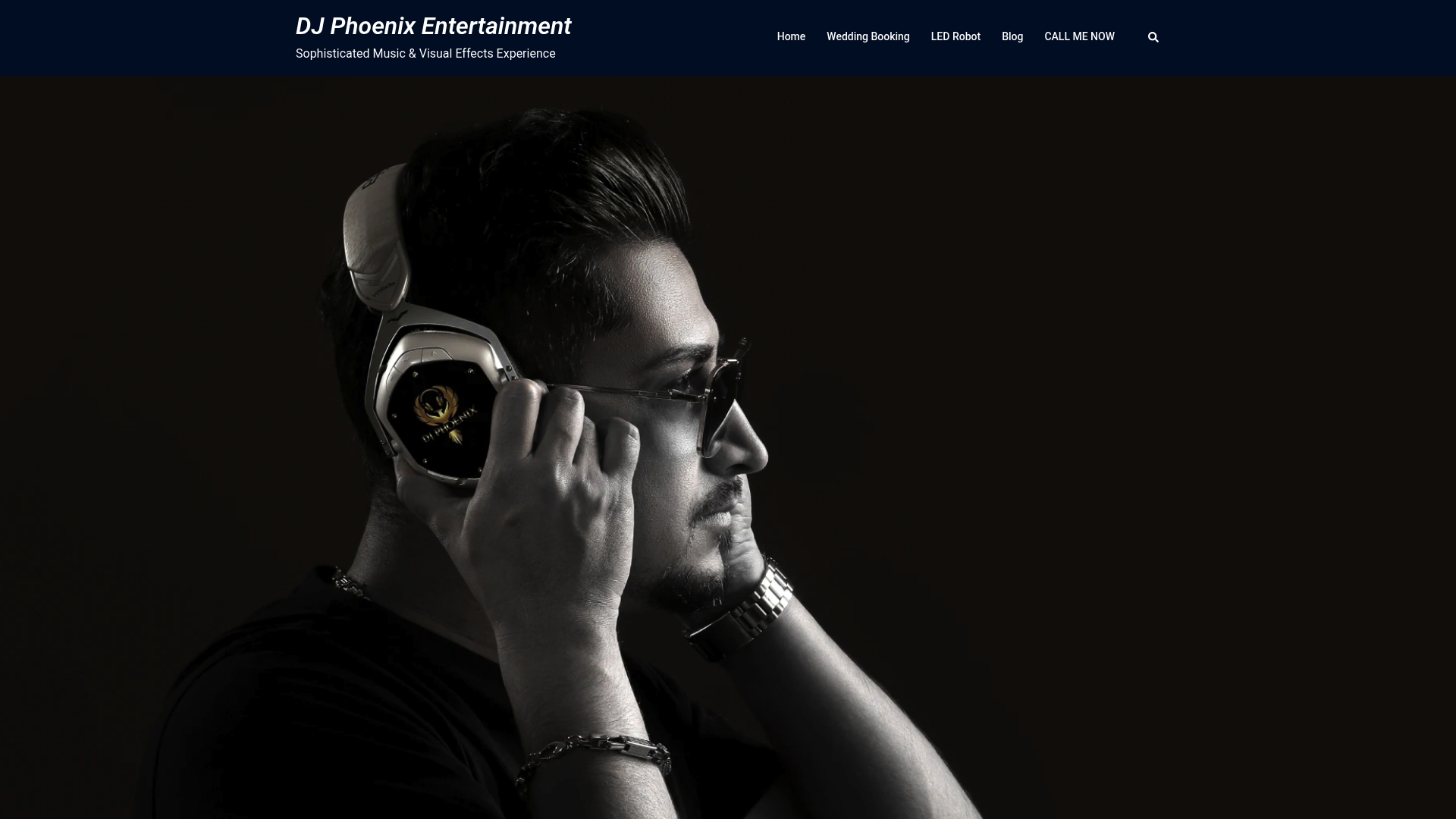
If you are weighing live against pre-set music for a brand room, our comparison of a corporate DJ versus a playlist system sets out the difference in how each reads a crowd.
FAQ
What is brand activation music?
It is the music, live or curated, that is designed into an interactive brand experience so attendees feel something and remember the brand. It can be the main attraction, such as a stage or live set, or the atmosphere that supports a lounge, photo moment or launch.
How is an activation different from sponsorship?
Sponsorship typically buys visibility through signage and category rights. An activation asks attendees to take part, and it produces participant data and branded content that can be measured, as Snapbar’s playbook explains.
Does the music have to match the brand?
It should fit. MassiveMusic and the IPA report that music-brand fit enhances memory encoding, which strengthens how readily people recall the brand later. Fit also means fitting the audience, so a culturally familiar selection often works better than a trend chosen in isolation.
Can a DJ be part of a brand activation at a corporate event?
Yes. A DJ sets the pace, times reveals and keeps guests in the space, and an emcee can guide participation and calls to action. Share your goals and run of show early so the performer can build them into the programme.
How should I measure a music-led activation?
Track immediate signals such as opt-ins, QR scans and social content, then 30-day conversion and 90-day repeat purchase and awareness. Add quality-of-engagement measures like time spent in the space.
Sources
- Festival Brand Activation: The B2B Sponsor Playbook (Snapbar)
- An Analysis of Brand Activations: The Case of Music Festivals (LiveInnovation.org)
- MassiveMusic x IPA Sound Science report
- The power of music in advertising (Kantar)
- How to Win at Music Festival Marketing (SponsorPulse)
- Gen Z & Festivals: Inside Pinterest’s Manifest Station at Coachella (Event Marketer)
- Mixed-Art Live Events: 8 Real Examples to Inspire You
- Aperol Coachella Activation (Manifest)
- Chevrolet at CMA Fest (Event Marketer)
- Hollister x Lollapalooza (The NOMAD Creative Co.)
- Wavytalk at Coachella (RetailBoss)
- Music Festival Experiential Marketing guide (Street Teams Co.)