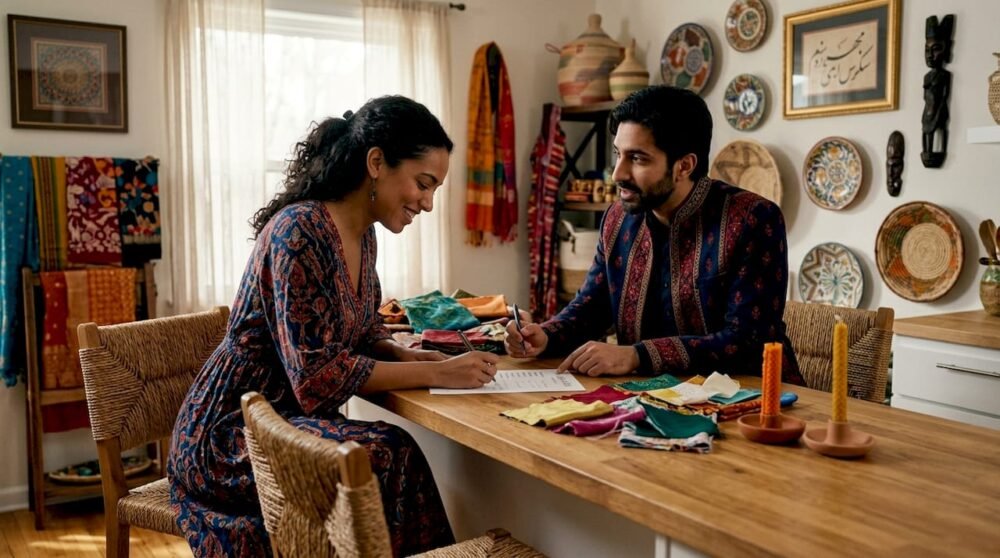
Multicultural wedding music traditions are defined as the intentional blending of culturally distinct sounds to reflect both partners’ heritage and create a celebration that every guest can feel part of. The most effective approach combines widely recognised crowd-pleasers with culturally specific songs, sequenced with care to build energy and honour meaning. Frameworks like the 70/30 music balance give couples a practical starting point: 70% universal anthems, 30% cultural tracks rooted in heritage. Dj-phoenix has built its reputation on exactly this artistry, curating playlists that resonate across generations, languages, and backgrounds at weddings of the highest calibre.
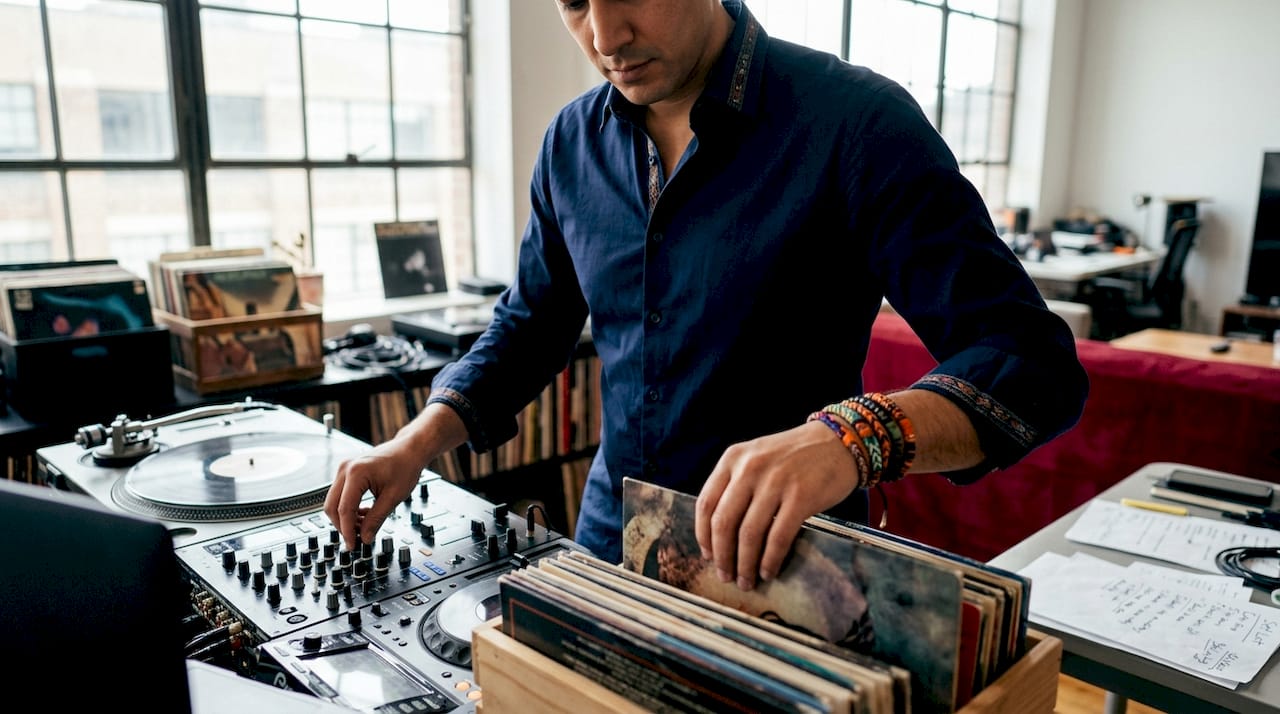
1. What are the top multicultural wedding music traditions to consider?
Cultural music blending at weddings draws from a rich catalogue of global genres, each carrying its own emotional weight and dance-floor energy. The traditions below represent the most requested and most impactful categories couples weave into their celebrations.
- Latin salsa and cumbia. These rhythms are built for celebration. Tracks like Marc Anthony’s “Vivir Mi Vida” ignite the floor instantly and welcome guests who have never danced salsa before. The percussive drive makes transitions from pop sets feel natural rather than jarring.
- Bollywood dance numbers. Songs from films like Dilwale Dulhania Le Jayenge carry deep emotional resonance for South Asian families. A well-placed Bollywood medley signals cultural pride and invites aunties and uncles onto the floor who might otherwise stay seated.
- Afrobeats sets. Artists like Burna Boy and Wizkid have brought West African rhythms into mainstream consciousness. Afrobeats sets work exceptionally well as a mid-reception energy reset, bridging older R&B fans and younger guests with ease.
- Celtic reels and folk ballads. Irish and Scottish traditions bring a communal, participatory quality. Line dances and reels pull reluctant guests off their chairs because the steps are simple and the atmosphere is joyful rather than performative.
- Middle Eastern rhythms. Dabke line dancing, common at Lebanese and Palestinian weddings, is one of the most visually striking traditions a couple can include. The repetitive, building structure of dabke music makes it easy for non-Arab guests to follow along.
- Persian classical and pop. Persian wedding music moves between classical tar melodies and contemporary pop, creating a sophisticated arc across the evening. Dj-phoenix specialises in this tradition, drawing on deep cultural knowledge to honour the music’s pedigree.
- Caribbean soca and reggae. Soca’s tempo and call-and-response structure make it one of the most inclusive genres on any multicultural playlist. Reggae’s slower groove offers a welcome contrast after high-energy sets.
Pro Tip: When selecting cultural tracks, choose songs that have a clear rhythmic hook within the first eight bars. Guests unfamiliar with the genre will commit to the dance floor far more readily when the beat is immediately legible.
2. How to balance universal crowd-pleasers with cultural songs
The 70/30 rule is the most widely used framework for multicultural wedding playlist creation. It works because it protects the dance floor’s energy while still giving cultural music the prominence it deserves.
- Anchor with universals. Songs like “Dancing Queen” by ABBA or “Sweet Caroline” by Neil Diamond cross generational lines reliably. Place these at the opening of each major set to bring the full room together before introducing cultural material.
- Sequence cultural tracks in clusters. Grouping two or three cultural songs together creates a mini-celebration within the reception. Guests from that background feel genuinely honoured, and other guests experience a coherent musical moment rather than a single unfamiliar song dropped into a pop set.
- Plan for more songs than you need. Planning 20% more songs than expected gives your DJ the flexibility to read the room and extend what is working or skip what is not. A 4-hour reception typically calls for 90 to 100 songs as a baseline.
- Create a downloadable playlist for guests. Sharing a Spotify playlist before the wedding lets guests familiarise themselves with cultural tracks they may not know. Guests who recognise a song are far more likely to dance to it.
- Communicate do-not-play lists clearly. Every culture has songs that carry complicated associations. A brief conversation with both families before the wedding prevents moments that could unintentionally offend.
Pro Tip: Build your playlist in three distinct energy tiers: warm-up, peak, and wind-down. Assign cultural tracks across all three tiers rather than clustering them only at peak energy. This signals that cultural music is woven throughout the evening, not treated as a novelty.
3. Challenges and solutions in blending music from multiple cultures
Blending music from two or more cultural traditions presents real challenges. The most common are jarring genre transitions, uneven guest engagement, and the risk of cultural misrepresentation.
- Jarring transitions. Moving directly from a Bollywood number to a country ballad without a transitional track creates a whiplash effect. Professional DJs solve this by identifying songs that share a tempo or key, using them as bridges between cultural sets.
- Uneven guest engagement. When one culture’s music dominates the first hour, guests from the other partner’s background can feel like spectators. The 3-bucket approach addresses this directly: the three buckets are the couple’s story songs, cultural heritage tracks, and universal floor-fillers, distributed evenly across the evening.
- Cultural misrepresentation. Playing a sacred or ceremonial song in a dance context can cause genuine offence. Research each tradition’s music categories before building the playlist, and consult with family members who can flag sensitive material.
- Language barriers on the dance floor. Guests who do not speak the language of a cultural song may disengage. Bilingual song moments solve this elegantly: even a single song that moves between two languages makes both families feel seen and valued.
“Focusing on shared themes like family and home makes music feel more moving and inclusive than simply checking cultural boxes. The most powerful multicultural playlists are built around emotion, not obligation.”
Hiring a professional DJ with genuine multicultural expertise prevents the most common pitfalls. A skilled DJ understands cultural sensitivities, manages transitions with artistry, and reads the room in real time to adjust the balance between traditions.
4. How to create a memorable multicultural wedding music experience
A memorable multicultural wedding music experience requires more than a good playlist. It requires thoughtful sequencing, cultural performance moments, and a deliberate approach to guest inclusion.
- Incorporate traditional dances or live performances. A bhangra performance, a lion dance, or a dabke demonstration gives cultural music a visual anchor. Guests who might not connect with the sound alone will engage fully when they can watch and eventually join.
- Invite older guests onto the floor early. Early dance floor moments that engage older or less active guests create meaningful participation before the late-night energy peaks. A slow waltz or a familiar classic from the parents’ era placed at the 45-minute mark signals that the evening belongs to everyone.
- Use music to tell your story. The sequence of songs across the evening can mirror the couple’s relationship arc: the first song they danced to, the track that played at a significant moment, the anthem from one partner’s childhood. This narrative quality transforms a playlist into a personal statement.
- Reset energy deliberately. After a high-energy cultural set, a slower universal song gives guests a moment to breathe and connect with each other. This pacing prevents fatigue and keeps the floor populated through the final hour.
| Moment | Music approach | Purpose |
|---|---|---|
| Cocktail hour | Soft cultural instrumentals mixed with jazz | Sets a sophisticated, welcoming tone |
| First dances | Personal songs with cultural significance | Establishes the couple’s story |
| Mid-reception | Cultural dance sets with universal anchors | Maximises participation across backgrounds |
| Late evening | High-energy universal anthems | Sustains the floor through the final hour |
Music as a vehicle for identity is well documented in cultural studies. At a wedding, that identity function is amplified: the songs you choose tell every guest who you are, where you come from, and what you value.
Key takeaways
The most effective multicultural wedding music traditions blend cultural heritage tracks with universal crowd-pleasers, sequenced with care to honour both partners’ backgrounds and keep every guest on the floor.
| Point | Details |
|---|---|
| Use the 70/30 rule | Allocate 70% universal songs and 30% cultural tracks to balance inclusion and heritage. |
| Apply the 3-bucket method | Organise songs into couple’s story, cultural heritage, and universal floor-fillers for even distribution. |
| Plan 20% more songs | Extra songs give your DJ flexibility to respond to real-time energy shifts on the floor. |
| Sequence cultural music in clusters | Grouping cultural tracks creates coherent moments rather than isolated unfamiliar songs. |
| Hire multicultural DJ expertise | A DJ with cultural knowledge prevents jarring transitions and respectfully represents each tradition. |
Why authentic music curation matters more than most couples realise
When I reflect on the multicultural weddings I have been part of, the moments that stay with me are never the ones where every song was a recognisable hit. They are the moments when a grandmother heard a song from her home country and walked onto the floor for the first time all evening. They are the moments when guests who had never met before were suddenly linked arm in arm during a dabke line or a bhangra circle.
The mistake I see most often is treating cultural music as a performance segment rather than as the connective tissue of the whole evening. Couples sometimes feel pressure to include cultural songs as a gesture of respect, without thinking about where those songs land emotionally in the arc of the night. A powerful cultural track placed at the wrong moment lands flat. The same track placed after a universal song that has already warmed the floor can stop the room in the best possible way.
Emotional architecture matters more than cultural checklists. The couples who get this right are the ones who ask themselves: “What do we want people to feel at this moment?” rather than “Which culture’s song should we play next?” That shift in thinking changes everything about how a playlist comes together.
The other truth I have learned is that guests rise to the occasion when they feel invited rather than instructed. A brief moment from the MC explaining the significance of a cultural dance, or a simple lyric sheet for a song in another language, transforms passive observers into willing participants. Music is generous by nature. Give your guests the context to receive it, and they will.
— Reza
Dj-phoenix: your partner in multicultural wedding music
Dj-phoenix brings a rare combination of cultural depth and professional artistry to every multicultural wedding. With experience spanning Persian, South Asian, Latin, Afrobeats, and Western traditions, Dj-phoenix curates playlists that reflect your heritage with precision and deliver the energy your guests deserve.
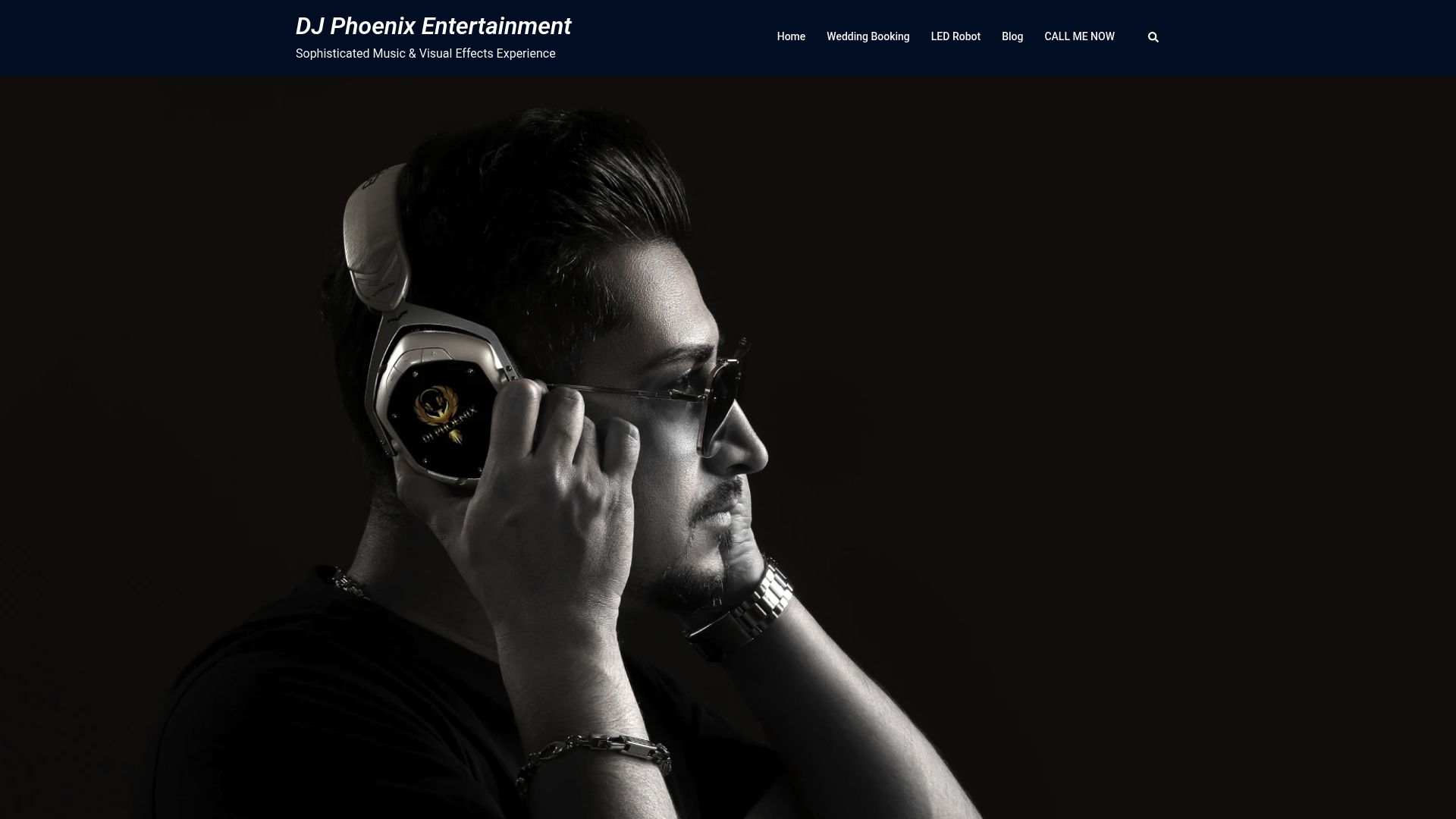
Every engagement begins with a detailed consultation to understand your backgrounds, your guest mix, and the emotional arc you want to create. From the cocktail hour to the final dance, every transition is planned with care. Explore the performance gallery to see multicultural weddings brought to life, and review the wedding packages to find the right fit for your celebration. Dj-phoenix has served clients of the calibre of Mercedes-Benz and FW Sports. Your wedding deserves that same standard of excellence.
FAQ
What is the 70/30 rule for wedding playlists?
The 70/30 rule allocates 70% of playlist time to universally recognised songs and 30% to culturally specific tracks. This balance keeps the dance floor active while honouring both partners’ heritage throughout the reception.
How many songs does a multicultural wedding reception need?
A standard 4-hour reception calls for 90 to 100 songs as a baseline. Planning an additional 20% beyond that gives your DJ the flexibility to respond to energy shifts and extend what is working.
How do you avoid offending guests with cultural music choices?
Consult with family members from each cultural background before finalising the playlist, and establish a clear do-not-play list. A DJ with multicultural expertise will also flag songs that carry ceremonial or sensitive associations.
What is the 3-bucket approach to multicultural playlist creation?
The 3-bucket method organises songs into three categories: tracks that define the couple’s story, cultural heritage songs, and universal floor-fillers. Distributing songs across all three buckets creates a balanced, inclusive evening.
When should cultural music be played during the reception?
Cultural music works best when placed in clusters after a universal anchor song has warmed the floor. Including at least one cultural moment early in the reception, before late-night dancing, ensures older guests and family members experience it fully.